


 TOP

 05th
11 2026
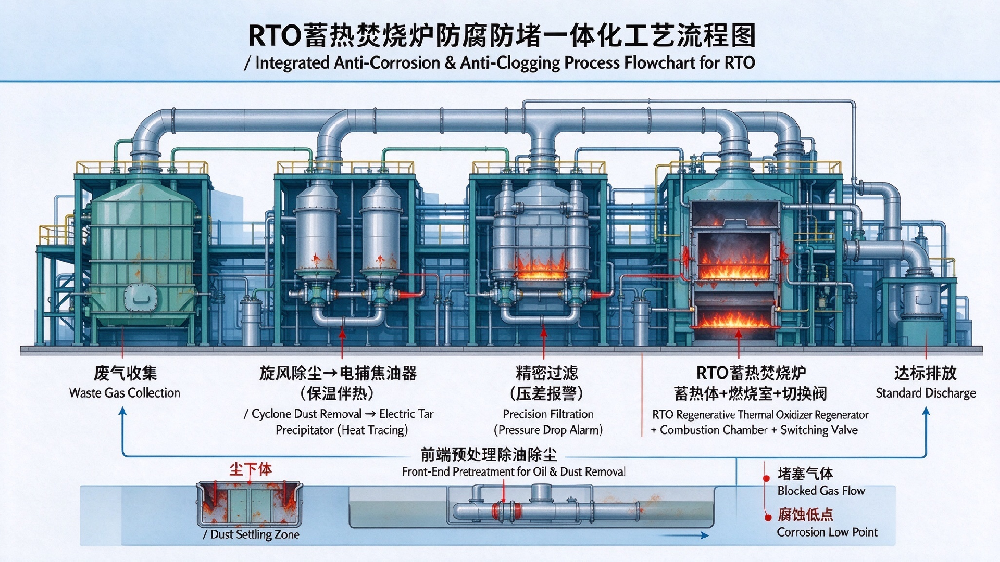
Discussion on Anti-Corrosion and Anti-Clogging of RTO Regenerative Thermal Oxidizer
Abstract: In VOCs treatment scenarios such as graphite anode/cathode, asphalt, chemical and coating industries, the RTO regenerative thermal oxidizer faces two chronic problems: clogging and coking, and dew-point corrosion. Tar aerosol and ultra-fine dust tend to deposit on the heat storage media, valve assemblies and flue passages, causing furnace clogging; chlorine- and sulfur-containing acid flue gas forms acid liquid in the low-temperature section, leading to corrosion and perforation of boxes, pipes and welds. Based on engineering practice, this paper systematically elaborates an integrated anti-corrosion and anti-clogging solution for RTO from the dimensions of front-end pretreatment, furnace material and anti-corrosion scheme, operation control, and safety interlock maintenance, so as to ensure long-period stable operation of the equipment.
 21th
10 2026
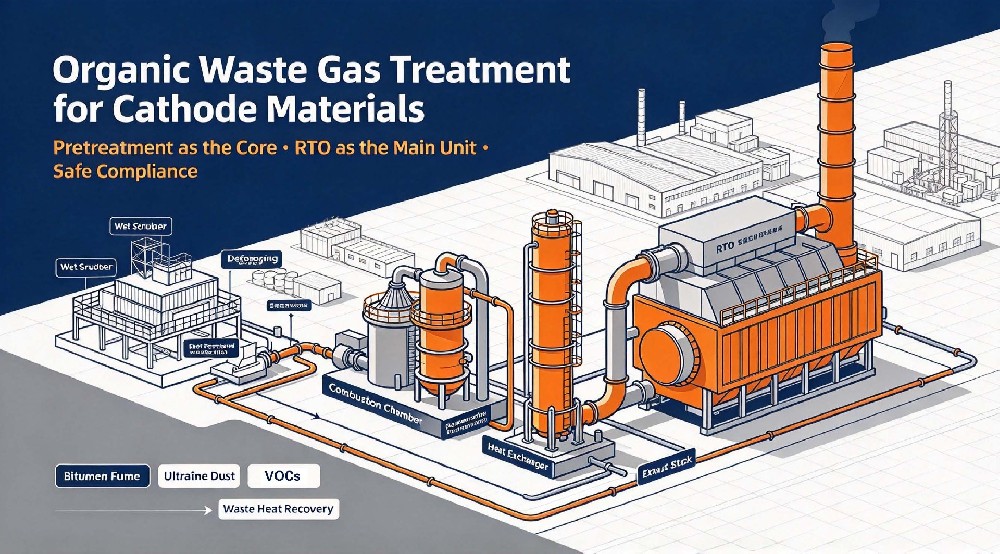
Graphite Anode VOCs Treatment Solution & Equipment Selection Guide
**Introduction**
Waste gas generated during the coating, granulation, carbonization and calcination processes of graphite anode materials contains asphalt tar, ultra‑fine graphite dust and heavy VOCs. It represents one of the most challenging working conditions in the new energy materials industry, prone to equipment clogging and emission exceedance. Many projects suffer from RTO coking, regenerator blockage, frequent unplanned shutdowns and high O&M costs. The root cause usually lies in improper process selection and inadequate pretreatment. This article explains, in a concise manner, how to treat graphite‑process waste gas, how to select equipment, and key pitfalls to avoid.
 16th
10 2026
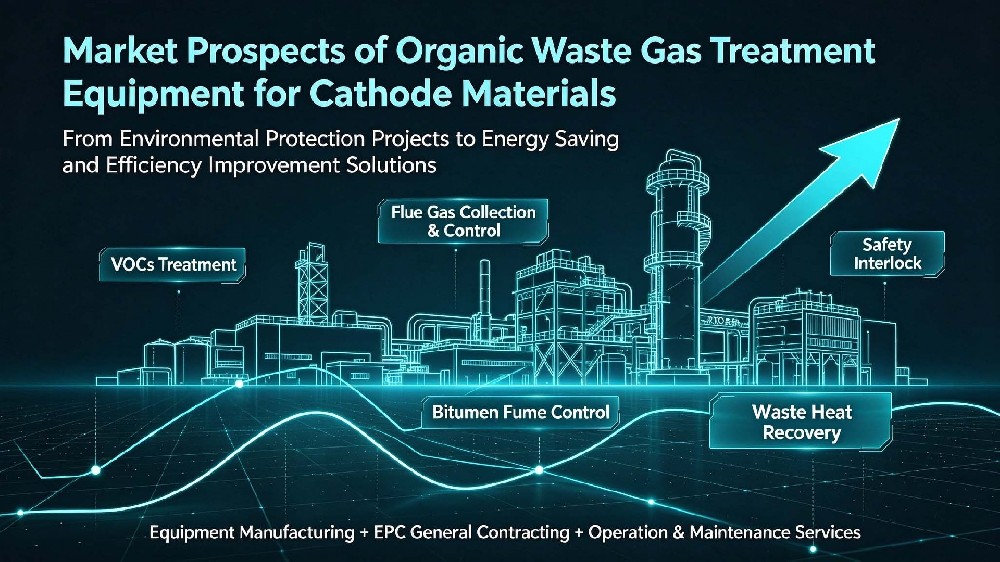
Market Outlook of Organic Waste Gas Abatement Equipment for Graphite Anode Materials
Key Conclusion: Waste gas treatment for artificial graphite coating and carbonization is a high-value niche market under the RTO track. It enjoys promising medium and long-term outlooks, while high technical thresholds restrict entry for ordinary RTO manufacturers. New capacity expansion, existing plant revamping and ultra-low emission upgrades form the main growth drivers. The equipment plus EPC model is most competitive.
 14th
10 2026
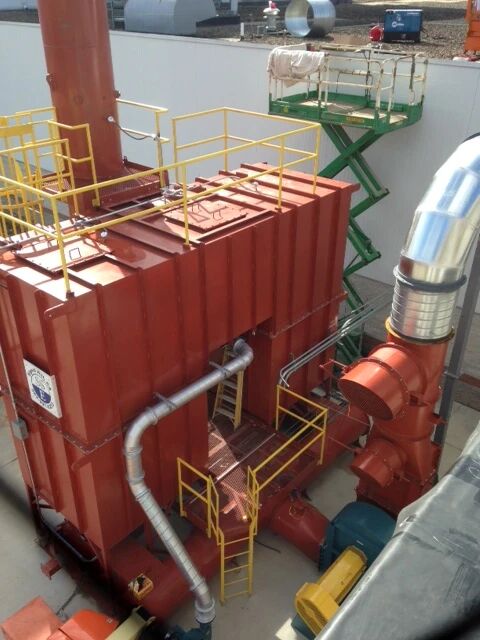
Selection of Various Types of Fans for RTO Incineration Systems
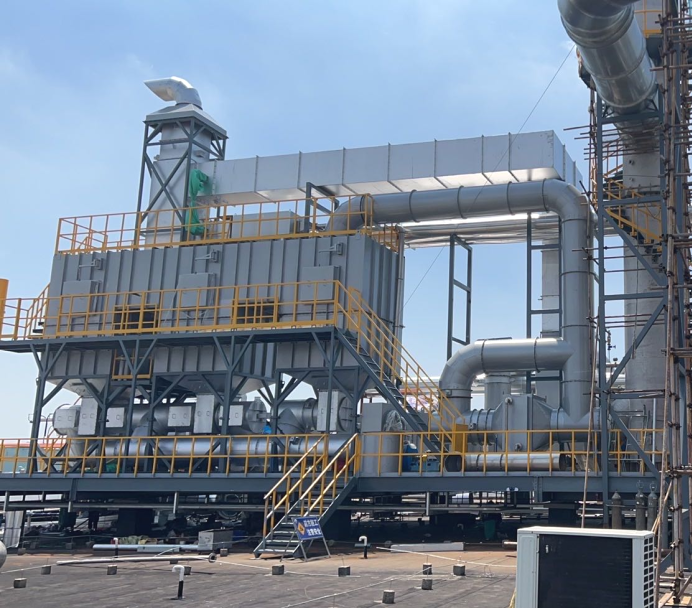
A common type of “soft fault” encountered during RTO system troubleshooting is described as follows: both the rotary concentrator and RTO meet compliance requirements at acceptance, yet the outlet pollutant concentration creeps upward gradually after half a year, alongside rising natural gas consumption. Inspection reveals no damage to the rotary concentrator and no leakage on the RTO. The root cause eventually points to the fan: the desorption fan was undersized in pressure head. The rotary concentrator fails to achieve thorough desorption over time, and high‑boiling substances keep accumulating.
 12th
10 2026
RTO Healthy Operation: Five Critical Operating Parameters
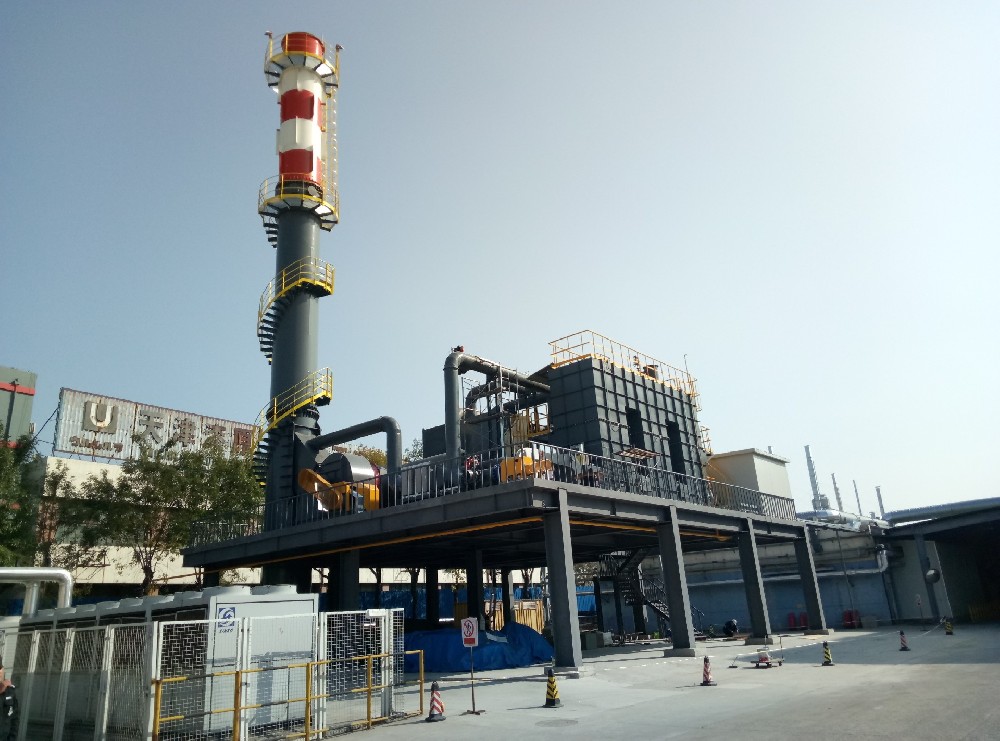
“The RTO achieved 99% removal efficiency at equipment acceptance, but after two years of operation, the outlet NMHC concentration began to climb, while the natural gas bill kept rising.” This is a real headache for EHS teams at many facilities. A VOCs incineration RTO is not a turnkey unit that requires no attention after ignition. The *Technical Specification for Industrial Organic Waste Gas Treatment Engineering by Regenerative Combustion Method* (HJ 1093—2020) provides a full set of quantitative parameters for its design and operation. Based on this specification, there are five key parameters that enterprises can use for self-inspection, which can often identify more than 80% of operational problems.
 08th
10 2026
Selection Guidelines and Six Typical Errors for Thermometers and Pressure Gauges of VOCs Incineration Systems
The author once reviewed the operational logs of an RTO system at a fine chemical enterprise, which appeared “flawless”: the combustion chamber temperature stayed steady at 780°C, and the pressure drop across the beds was normal. However, online monitoring indicated intermittent exceedances of NMHC at the outlet. Where lay the root cause? Upon disassembly and inspection, it was found that the K-type thermocouple installed in the combustion chamber had been in continuous service for nearly three years. Its actual measured temperature was roughly 50°C lower than the displayed reading. The furnace was operating at a substandard temperature, while the instrument falsely signalled compliance. Thermometers and pressure gauges are among the lowest-cost components in an incineration system, yet they directly govern the reliability of emission compliance judgement, safety interlocks and fault diagnosis. Drawing on field engineering experience, this article summarises key selection consideration
 24th
09 2026
Mid-Autumn Festival: A Full Moon, Warm Hearts at Lihuang
The fragrance of Osmanthus gradually spreads, and the bright moon is about to rise. Another Mid-Autumn Festival is approaching, and the atmosphere of reunion is quietly spreading.
From the office in Shanghai to the production workshop in Shanxi, different positions, but the same dedication. On this auspicious occasion of the full moon, Li Huang Group brings its heartfelt greetings to the families in both places.
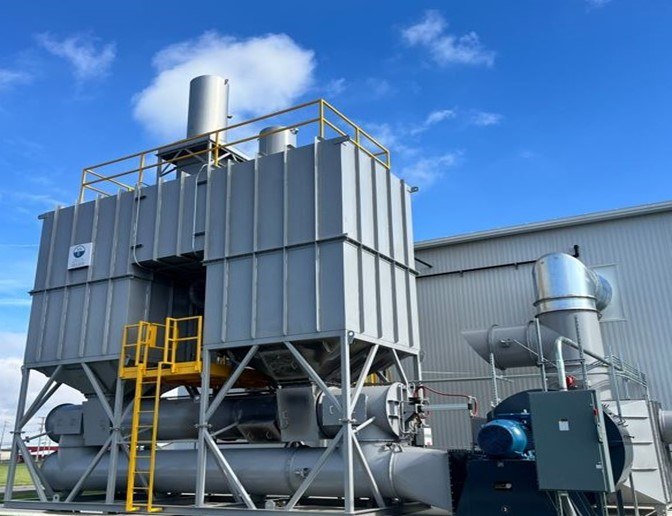
The continuous progress of the company is inseparable from the perseverance and dedication of all Li Huang employees. From the office team in Shanghai to the workers in the Shanxi factory who are deeply rooted in the frontline, everyone performs their duties and works together with one heart. As the Mid-Autumn Festival approaches, Li Huang Group has carefully prepared benefits and delivered warmth to every employee.
 17th
09 2026
How to select LEL instruments for VOCs incineration system
RTO, CO and TO VOCs incinerators are mainstream equipment for waste gas treatment in chemical, pharmaceutical and petrochemical industries. However, multiple RTO explosion accidents have occurred in many regions of China. Accident traceability reveals that the root cause of numerous accidents is the sudden rise of waste gas concentration to the explosive limit. The lack of online LEL (Lower Explosive Limit) monitoring, or improper selection and operation of instruments, creates significant potential safety hazards.
 11th
09 2026
ISO releases the world’s first international standard for passenger ship coating technology: *Ships and marine technology — Coating technical requirements for superstructures of passenger ships* (ISO 22627:2026)
The International Organization for Standardization (ISO) has recently issued ISO 22627:2026, the world’s first international standard on coating technology for passenger ships. Developed under China’s leadership with participation of specialists from multiple countries, it represents China’s maiden key achievement in high-tech passenger ship coating sector.

 The Public
 Tik Tok




 Company Profile