TOP
TOP
Related Products
Related Cases
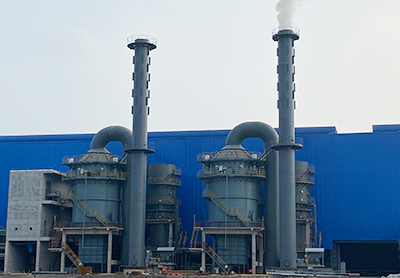
Wet electric and wet dust removal project of Steel slag of Hebei Handan Zhongban Steel Mill
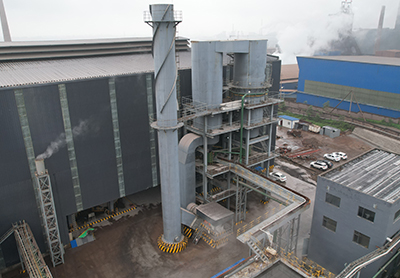
Shanxi Hongda steel slag wet electric Dust removal project
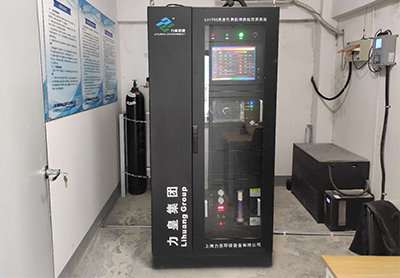
Shanghai Bulannuo Industrial packaging materials online monitoring project
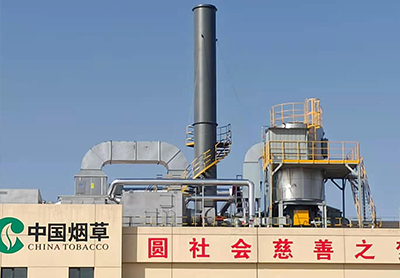
China Tobacco Ningxia Hongde VOCs exhaust gas treatment project
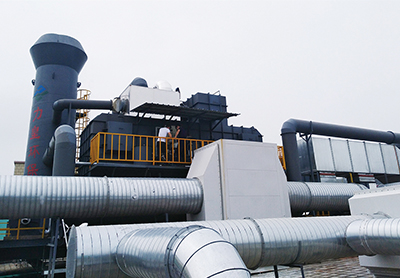
Shanghai Hengjie Wood Industry VOCs waste gas treatment project
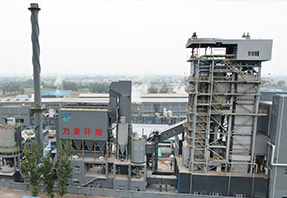
Pingyao Paper Mill desulfurization, denitration and dust removal EPC project
Carbon peak carbon neutral Knowledge Popularization (1)
1. How are carbon emissions produced?
All human activities may cause carbon emissions. Various fuel oil, gas, paraffin wax, coal and natural gas will produce a large amount of carbon dioxide in the use process, as well as urban operation, daily life and transportation (planes, trains, cars, etc.). Buying a piece of clothing, consuming a bottle of water, or even take-out meals all create emissions during production and transportation.
All combustion processes (man-made and natural) produce CARBON dioxide, such as simple cooking, decomposition of organic matter, fermentation, decay, spoilage, etc. In fact, carbon emissions are closely related to the food, clothing, shelter and transportation we have every day.
2.What is the carbon cycle?
Carbon cycle refers to the exchange of carbon elements in the earth's biosphere, lithosphere, hydrosphere and atmosphere, and with the movement of the earth cycle.
The two largest carbon pools on Earth, the lithosphere and fossil fuels, contain about 99.9 percent of the planet's carbon. The carbon in these two reservoirs moves slowly, effectively acting as a reservoir. There are also three carbon reservoirs on earth: atmospheric, hydrospheric and biological. The carbon in these three pools is rapidly exchanged between biological and inorganic environments, with small and active capacities, and actually acts as exchange banks. As part of the global carbon cycle, carbon in rocks is broken down by various natural and man-made chemical processes into the atmosphere and oceans, while dead organisms and other carbon-containing materials are continually returned to the earth's crust as sediments. The geochemical cycle of carbon controls the transport of carbon between surface or near-surface sediments and the atmosphere, biosphere, and oceans.
The carbon cycle in the biosphere occurs when plants on land and in the sea absorb carbon dioxide from the atmosphere and then return it to the atmosphere as carbon dioxide through biological or geological processes and human activities. Carbon dioxide in the atmosphere is completely renewed about once every 20 years.
3. What are carbon sources and sinks?
Simply put, carbon source refers to the process, activity or mechanism of releasing carbon in the atmosphere, while carbon sink refers to the process, activity or mechanism of absorbing carbon dioxide in the atmosphere through various measures, thus reducing the concentration of greenhouse gases in the atmosphere.
We already know that carbon exists in nature in different forms to form a reservoir of carbon. In the study of greenhouse gases, carbon source and carbon sink are opposite concepts. A carbon source can be described as "a carbon reservoir that supplies carbon to other carbon reservoirs and thus declines over time" or "a system or area where organic carbon is released in excess of absorption, such as deforestation, fossil fuel burning, etc."
In plain English, certain natural processes release more carbon dioxide into the atmosphere than they absorb. Any process that uses fossil fuels (such as burning coal to generate electricity) releases a lot of carbon into the atmosphere; Raising livestock also releases large amounts of carbon (greenhouse gases) into the atmosphere. These processes that release carbon into the atmosphere are also known as carbon sources.
In contrast to carbon sources, carbon sinks refer to carbon cycling agents (or natural processes) that absorb more carbon from the atmosphere than they release. These include plants, oceans, and soil, which are the largest carbon sinks. The world's forests absorb 2.6 billion tons of carbon dioxide each year; Earth's soils absorb about a quarter of anthropogenic emissions each year; The oceans have absorbed about a quarter of the carbon dioxide released into the atmosphere since the industrial revolution.
4. What is a carbon footprint?
Carbon footprint refers to the human in the production and living, either directly or indirectly the amount of carbon dioxide and other greenhouse gases, and is the result of the ecological footprint concept and calculation is a product in the raw material, manufacture, transportation, sales, use, recycling and waste generated by the carbon in the whole life cycle, this includes not only the product itself, also includes the scope of its industrial chain, supply chain and other associated carbon emissions.
Carbon footprint can be divided into the first carbon footprint and the second carbon footprint: the first carbon footprint is the carbon emissions caused by the direct use of fossil energy in production and life, such as air travel, power generation, etc. The second carbon footprint is the carbon emissions generated indirectly by the production, transportation, sale and recycling of goods purchased and used, such as a bottle of bottled water.
Carbon footprint can also be understood from four levels: individual, product, enterprise and country. For an individual, a carbon footprint can be emissions from everyday activities such as driving to and from work. For products, carbon footprint reflects the degree of environmental friendliness of a product. The lower the carbon footprint, the less carbon emissions related to the product, the more friendly it is to the environment. For enterprises, carbon footprint can explore their emission reduction potential and improve their competitiveness. For a country, a carbon footprint means the total amount of carbon emitted by each industry.

 The Public
 Tik Tok





 Company Profile



![New stainless steel activated carbon adsorption box selected [Li Huang] spot supply](/static/upload/image/20230202/1675331534626389.jpg)