TOP
TOP
Related Products
Related Cases
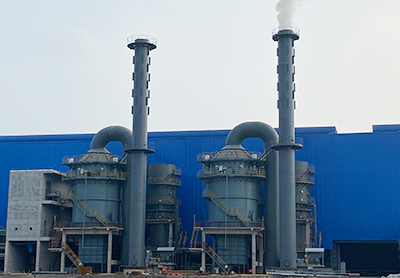
Wet electric and wet dust removal project of Steel slag of Hebei Handan Zhongban Steel Mill
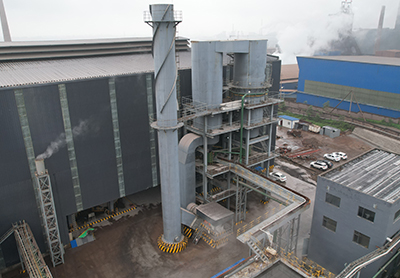
Shanxi Hongda steel slag wet electric Dust removal project
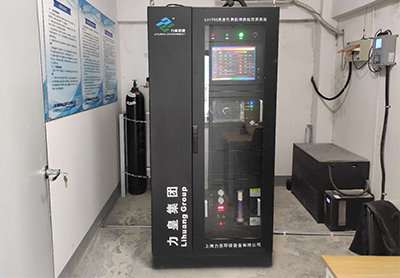
Shanghai Bulannuo Industrial packaging materials online monitoring project
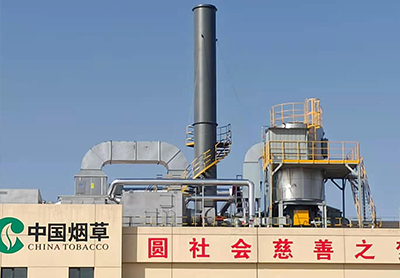
China Tobacco Ningxia Hongde VOCs exhaust gas treatment project
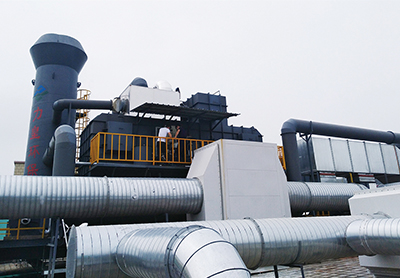
Shanghai Hengjie Wood Industry VOCs waste gas treatment project
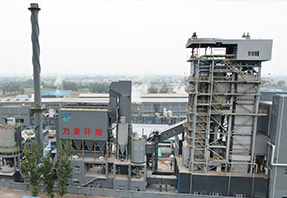
Pingyao Paper Mill desulfurization, denitration and dust removal EPC project
The hazards of VOCs exhaust gas and how to produce in each line
Introduction to VOCs exhaust gas:
VOCs is the English term for volatile organic compounds, which generally refers to any organic solid or liquid that can be volatile at room temperature and pressure. The colloquial point is that it exists as a gas at room temperature and pressure. In general, the VOCs exhaust gas we commonly refer to is mainly divided into alkenes, aromatic hydrocarbons, esters, aldehydes and others. More than 300 species have been identified. The most common are benzene, toluene, xylene, styrene, trichloroethylene, trichloromethane, trichloroethane, diisocyanate (TDI), diisocyanotoluene ester.
VOCs exhaust gas hazards:
The concentration of the gas is too high to easily cause acute poisoning, light will appear headache, dizziness, cough, nausea, vomiting, or drunken; Severe cases will appear liver poisoning and even coma soon, and some may be life-threatening. Living in a room polluted by volatile organic compounds for a long time can cause chronic poisoning, damage the liver and nervous system, cause general weakness, drowsiness, skin itching and so on. Some still may cause endocrine maladjustment, affect sexual function; Benzene and xylene can also damage the system to the point of leukemia.
In particular, the impact on children's health: foreign medical research has confirmed that pregnant women living in volatile organic compound pollution environment, resulting in fetal malformation rate is much higher than ordinary people, and may affect the future intellectual development of children. At the same time, volatile organic compounds in indoor air are important causes of children's nervous system, blood system and children's acquired diseases.
How to generate VOCs exhaust gas in each line:
1, spray painting industry (spray shop) :
Waste gas: the main components are acetone, xylene, butanol, toluene, ethyl acetate and butyl acetate and other volatile organic compounds.
Causes and processes: Process flow and pollution production in painting workshop of automobile industry: production process and VOCs pollution production in painting workshop of automobile industry: White body to skim to watch, phosphating, cathode electrophoresis (unorganized emissions) and electrophoretic drying (vent discharge) - strong cold - thick seal (unorganized emissions) - bottom protection - fine sealing (unorganized emissions) - PVC drying (vent discharge) - strong cold - electrophoresis grinding - coated artificial wipe to ostrich feathers automatically wipe wipe machine, artificial spray coating (lumen) - automatic coating Machine spray coating (part of the exhaust cylinder discharge, part of no organized discharge) → dry → middle coating drying (incineration discharge) → middle coating strong cold → middle coating polishing → finish paint cleaning → Ostrich hair automatic cleaning machine cleaning → artificial spray paint (inner cavity) (exhaust cylinder discharge) → dry → automatic coating machine spray color coating (part of the exhaust cylinder discharge, Part of no organized emissions) → air station automatic spraying metal paint (part of exhaust cylinder emissions, part of no organized emissions) → dry → automatic coating machine spray coating light paint (part of exhaust cylinder emissions, part of no organized emissions) → check paint repair → finish drying (incineration emissions) → finish strong cold → modification → inspection → decoration → final assembly.
2. plastic plastic industry
Main causes: plastic plastic particles in heat volatilized out of the polymer monomer. Many traditional industrial manufacturers engaged in the manufacture of plastic products will be plastic material (ABS, PP, PE) through high temperature heating (150-250oC), and then through the injection molding machine processing, as a semi-finished or finished product of plastic, plastic through the heating reaction will spread out of the pungent plastic taste, this part of the smell is VOCs produced by the taste, The odors produced can be classified as intermittent or continuous.
3. Petrochemical industry (fragrance workshop, cosmetics workshop)
Exhaust gas: sulfur dioxide, nitrogen oxide, smoke, benzopyrene, non-methane total hydrocarbon, hydrogen sulfide, volatile phenol, amine, hydrocarbon, benzene, acrylonitrile, cyclohexane, ammonia, ethylene, styrene, butadiene, propylene, vinyl chloride and so on.
Causes and processes: petroleum industry, especially petroleum refining process, will produce a certain number of toxic and harmful gases. The sources of these exhaust gases are three: one is fuel combustion, such as the exhaust gas of vehicles and internal combustion engine equipment, the flue gas of heating furnaces and boilers, and the combustion flue gas of oil fields and oil refineries. Second, oil and gas development, in the process of gathering, storage, processing, in the mouth of the well volatilization, empty, or blowout leakage of gas, gas pipeline, oil tank leakage, oil refinery and chemical plant production device, release gas and reaction of non-condensable gas byproduct gas in wastewater and the stench is in the waste treatment and transportation and other harmful gases; Three is the oil and gas enterprises affiliated machinery plants and other processing plants (pipe stations, etc.) gas waste (paint and paint volatiles, etc.).
4. Bio-pharmaceutical industry
The pharmaceutical industry exhaust gas is more complex, different product processes differ greatly, there are also different conditions between the same products, the best way is to design targeted exhaust gas treatment scheme according to the current situation, to ensure that the exhaust gas emissions meet the standards.
Exhaust gas: the pharmaceutical industry pharmaceutical process generated by the VOCs are mainly methanol, acetone, benzene, toluene, xylene, dichloromethane, ethyl acetate, triethylamine, dimethylformamide, butyl acetate, n-propanol, ethanol, isopropanol, acetonitrile, ethylene oxide, formaldehyde. Causes in the medical and chemical industry: Extensive use of organic solvents such as DMF, organic amine, benzene, acetic ether, dichloromethane, acetone, methanol, ethanol, ethyl ketone, ethyl ether, ethylene dichloride, acetic acid, chloroform, etc.), volatile formed irritating odor and stench gas, and has a certain toxic, long-term emissions will worsen regional atmospheric environmental quality, and physical harm of nearby residents. Therefore, effective treatment of PHARMACEUTICAL industry VOCs waste gas has become an important problem to be solved.
5. Packaging and printing industry
Causes: printing and pre - and post-press processes will involve the use of a large number of solvent - based raw and auxiliary materials.
Printing industry (printing waste gas treatment) using ink, toluene, xylene, gasoline, alcohol and other organic solvents, the formation of environmental pollution. Gravure printing process drying ink process, pollution emission is particularly serious. Accounting for 30% ~ 70% of the total amount of ink organic solvent evaporation by the drying box, a lot of organic waste gas (VOCs), serious harm to human health, damage to the atmosphere.
6.Chemical fiber textile industry
The main components are aldehydes, ketones, hydrocarbons, fatty acids, alcohols, esters, lactones, heterocyclic compounds, aromatic compounds.
Causes: In the process of weaving and dyeing textiles, in order to improve the appearance and dyeing quality of products, a variety of textile additives and solvents need to be added. Dyed and rinsed textiles carry a large amount of water, oil, wax and other organic compounds, heat volatilization in high temperature treatment, resulting in VOCs exhaust gas.

 The Public
 Tik Tok





 Company Profile






![New stainless steel activated carbon adsorption box selected [Li Huang] spot supply](/static/upload/image/20230202/1675331534626389.jpg)