TOP
TOP
Related Products
Related Cases
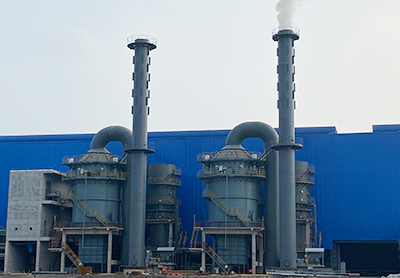
Wet electric and wet dust removal project of Steel slag of Hebei Handan Zhongban Steel Mill
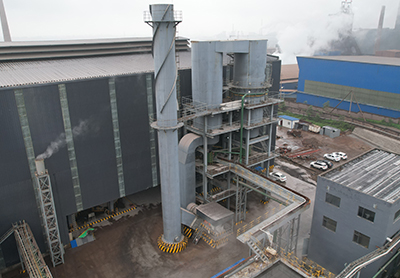
Shanxi Hongda steel slag wet electric Dust removal project
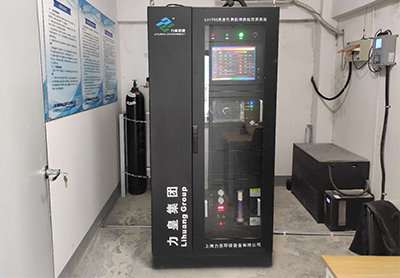
Shanghai Bulannuo Industrial packaging materials online monitoring project
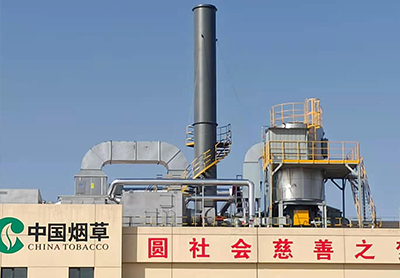
China Tobacco Ningxia Hongde VOCs exhaust gas treatment project
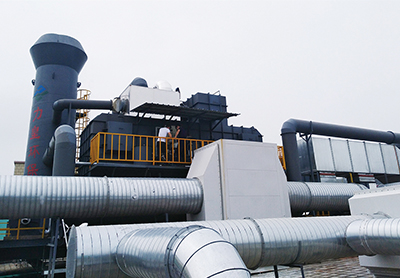
Shanghai Hengjie Wood Industry VOCs waste gas treatment project
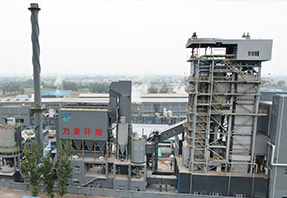
Pingyao Paper Mill desulfurization, denitration and dust removal EPC project
The 19th meeting of the Environmental Cooperation Sub Committee of the Russian Prime Minister's Regular Meeting Committee was held
On June 26th, the 19th meeting of the Environmental Protection Cooperation Sub Committee of the China Russia Prime Ministers Regular Meeting Committee (hereinafter referred to as the Sub Committee) was held in Moscow, Russia. The Chinese Chairman and Minister of Ecology and Environment, Huang Runqiu, and the Russian Chairman and Minister of Natural Resources and Ecology of the Russian Federation, Kozlov, respectively led delegations to attend and jointly chaired the meeting.

China has become the country with the fastest rate of air quality improvement, the largest scale of renewable energy utilization, and the fastest growth of forest resources in the world.

Huang Runqiu stated that ecological environment protection is an important area of bilateral cooperation between China and Russia. In May this year, the heads of state of China and Russia jointly signed a joint statement on deepening the comprehensive strategic partnership in the new era, which pointed out the direction and injected political impetus for both sides to deepen cooperation in ecological and environmental protection. Under the care and guidance of the two heads of state, traditional cooperation in cross-border water body protection, endangered species protection, and environmental pollution emergency liaison between the environmental departments of China and Russia has steadily improved. Cooperation in new fields such as solid waste disposal and addressing climate change has continued to expand, and regional cooperation under multilateral frameworks such as the Shanghai Cooperation Organization and the BRICS countries has become closer.
Huang Runqiu emphasized that in the face of global ecological and environmental challenges, humanity must adhere to multilateralism, carry out global actions, responses, and cooperation. As the President of the 15th Conference of the Parties to the Convention on Biological Diversity, China is committed to achieving the Kunming Montreal Global Biodiversity Framework and is willing to work with all parties and stakeholders to effectively implement the framework and reverse the trend of global biodiversity loss. China is willing to continue promoting cooperation in various fields with Russia under the sub committee mechanism, continuously tapping into the potential of cooperation, creating more comprehensive, pragmatic, and efficient cooperation models, and jointly promoting the construction of a new development pattern of harmonious coexistence between humans and nature, and working together to build a clean and beautiful world.
Kozlov stated that over the years, under the sub committee mechanism, the cooperation between the two countries in areas such as environmental emergency liaison, cross-border water quality monitoring, and cross-border nature reserves and biodiversity protection has achieved significant results. The joint statement issued during the meeting of the two heads of state in May this year put forward new cooperation requirements for the environmental authorities of both sides, hoping that both sides will further strengthen cooperation and implement the consensus reached by the leaders.
The meeting listened to the work reports of the pollution prevention and environmental disaster emergency liaison working group, environmental impact assessment expert group, cross-border protected areas and biodiversity protection working group, and cross-border water quality monitoring and protection working group. The work plans of each working group for the years 2024-2025 were reviewed and approved. Both sides gave positive evaluations to the achievements of China Russia cooperation in ecological and environmental protection over the past year, as well as the working groups and expert groups of the sub committees.
At the meeting, both parties jointly signed the minutes of the meeting.

 The Public
 Tik Tok





 Company Profile






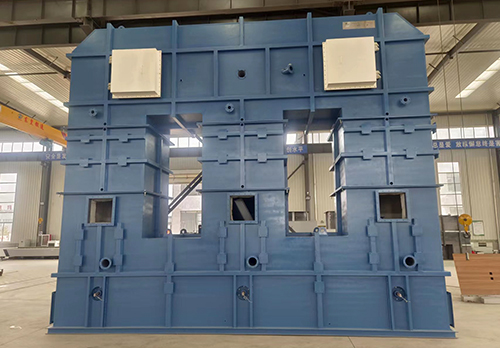
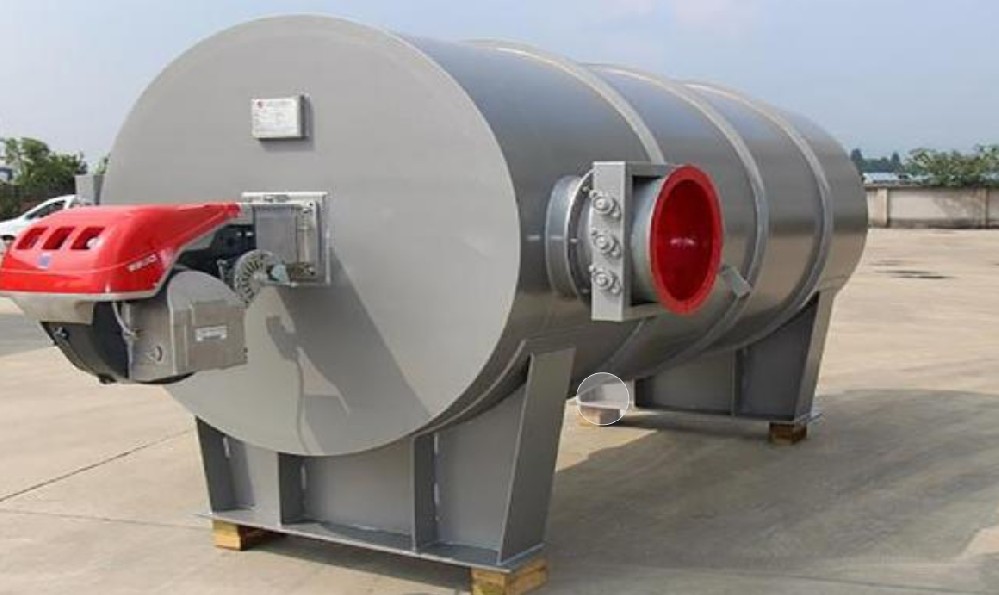
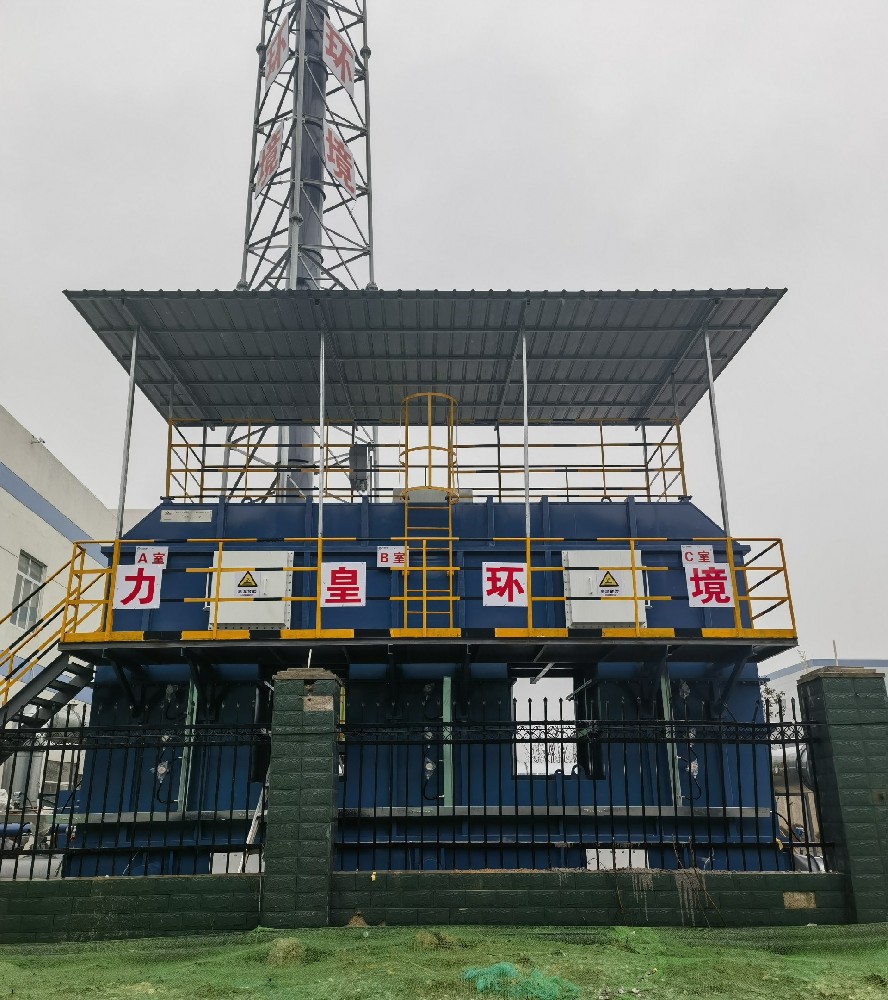

![New stainless steel activated carbon adsorption box selected [Li Huang] spot supply](/static/upload/image/20230202/1675331534626389.jpg)