TOP
TOP
Related Products
Related Cases
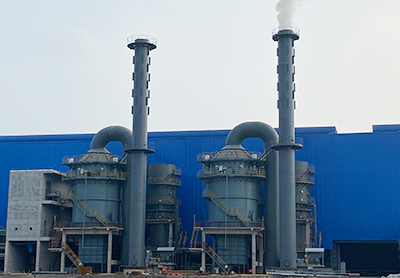
Wet electric and wet dust removal project of Steel slag of Hebei Handan Zhongban Steel Mill
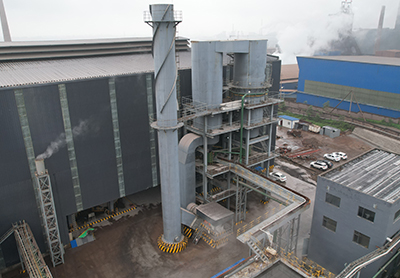
Shanxi Hongda steel slag wet electric Dust removal project
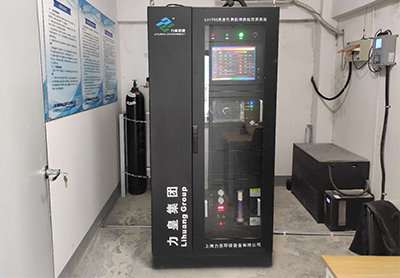
Shanghai Bulannuo Industrial packaging materials online monitoring project
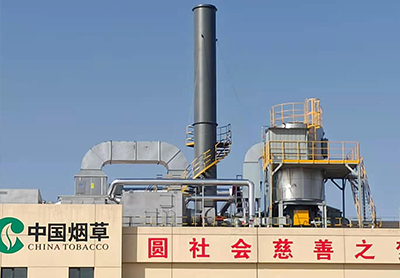
China Tobacco Ningxia Hongde VOCs exhaust gas treatment project
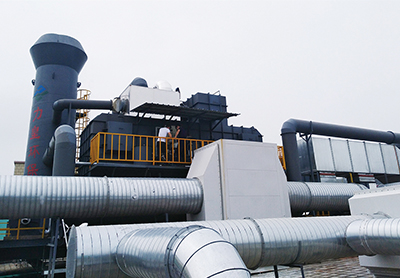
Shanghai Hengjie Wood Industry VOCs waste gas treatment project
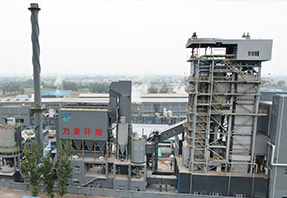
Pingyao Paper Mill desulfurization, denitration and dust removal EPC project
Dongguan Municipal Bureau: Accelerate the elimination of UV photolysis VOCs waste gas facilities with fire hazards
Recently, the official media of Dongguan Ecology and Environment Bureau released an article titled "Accelerating the Elimination of UV Photolysis Facilities with Fire Hazards". The article mentioned that on August 23, the Deputy Director of the Municipal Ecology and Environment Bureau emphasized the need to resolutely curb the frequent occurrence of fire accidents in waste gas treatment facilities such as UV photolysis while supervising the safety production of environmental protection facilities.
As early as November last year, the Dongguan Ecology and Environment Bureau took the lead in issuing the "Notice on Accelerating the Elimination of Low Efficiency Volatile Organic Compounds Treatment Facilities" (hereinafter referred to as the "Notice"), proposing to gradually complete the elimination of low efficiency VOCs treatment facilities by industry by the end of September 2024. Explicitly mention the elimination of low efficiency volatile organic compound treatment facilities that use photooxidation, photocatalysis, low-temperature plasma, and their combination technologies. The elimination measures include: dismantling the main body or lamp tube, socket, and supporting power supply system of photooxidation, photocatalysis, and low-temperature plasma equipment, and disconnecting relevant circuits. Dismantling scrapped UV lamps must be transferred to qualified units for disposal as hazardous waste."
On August 16th of this year, the Ministry of Ecology and Environment issued a letter soliciting opinions on the "National Pollution Prevention and Control Technical Guidance Catalogue (2024, Restricted and Eliminated Categories)" (draft for comments). For several major categories of VOCs treatment technologies, the scope of inapplicability is "industry wide VOCs treatment", and the reasons for elimination are specified, which involve conventional and inefficient VOCs treatment technologies such as photocatalysis, photolysis, and low-temperature plasma.



 The Public
 Tik Tok





 Company Profile






![New stainless steel activated carbon adsorption box selected [Li Huang] spot supply](/static/upload/image/20230202/1675331534626389.jpg)