TOP
TOP
Related Products
Related Cases
Wet electric and wet dust removal project of Steel slag of Hebei Handan Zhongban Steel Mill
Shanxi Hongda steel slag wet electric Dust removal project
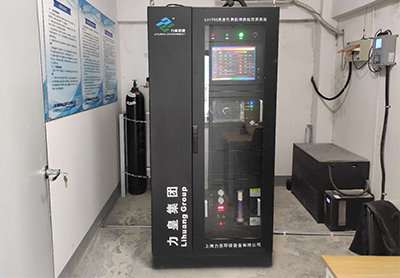
Shanghai Bulannuo Industrial packaging materials online monitoring project
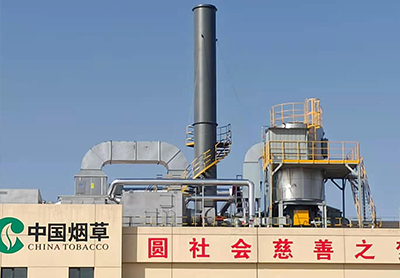
China Tobacco Ningxia Hongde VOCs exhaust gas treatment project
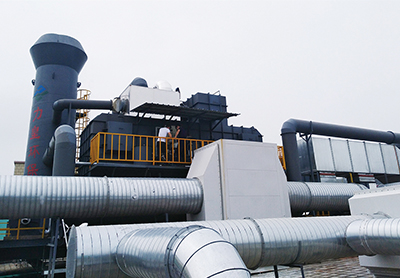
Shanghai Hengjie Wood Industry VOCs waste gas treatment project
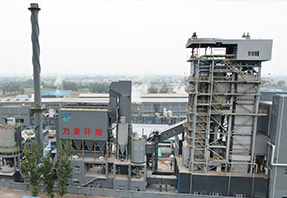
Pingyao Paper Mill desulfurization, denitration and dust removal EPC project
See the scene which is dreadful to one 's mind! Official data on the application of activated carbon adsorption for VOCs treatment!
According to relevant official documents, adsorption technology accounts for 16% of VOCs treatment technology abroad, while adsorption technology accounts for 38% of VOCs treatment technology in China. However, a data shows that adsorption technology accounts for over 80% of VOCs treatment technology in Chongqing. According to the research results organized by relevant units in Chongqing, enterprises mainly use honeycomb activated carbon and granular activated carbon to carry out VOCs control work. Coal based activated carbon is the main type of activated carbon, and the use of honeycomb carbon accounts for more than 85%.

70% of the surveyed enterprises do not have clear management facility operation records and activated carbon replacement records. I am also not familiar with the operation, maintenance, and replacement requirements of activated carbon technology. Only 24% of enterprises have an activated carbon replacement cycle of less than 3 months. Based on the application of activated carbon in the 40 surveyed enterprises, 40 points of iodine adsorption index data for activated carbon were effectively collected, including 34 samples of honeycomb carbon and 6 samples of granular carbon. There are 0 samples of honeycomb activated carbon with iodine adsorption value greater than or equal to 650mg/g, and 0 samples of granular activated carbon with iodine adsorption value greater than or equal to 800mg/g.
Can such VOCs governance reflect or represent the current status of VOCs governance in the entire industry?
Specific Research Situation
The industries in Chongqing that involve VOCs emissions and use activated carbon treatment technology include packaging and printing, electronic manufacturing, industrial coating, paint manufacturing, furniture manufacturing, rubber product manufacturing, plastic products, footwear, automotive parts manufacturing, pharmaceutical manufacturing, chemical raw materials and chemical manufacturing, automotive maintenance, etc. In recent years, honeycomb activated carbon has also been widely used in adsorption concentration+catalytic combustion combination technology centers. Compared with zeolite wheel+thermal storage combustion combination technology, it provides VOCs treatment technology with lower construction and usage costs for small and medium-sized enterprises, and has been widely applied. In the future, activated carbon will still be the most widely used terminal treatment technology in the field of VOCs treatment.
According to the research results organized by relevant units in Chongqing, enterprises mainly use honeycomb activated carbon and granular activated carbon to carry out VOCs control work. Coal based activated carbon is the main type of activated carbon, and the use of honeycomb carbon accounts for more than 85%. The sources of activated carbon include online procurement, purchase by activated carbon production enterprises, and provision by activated carbon equipment enterprises.
70% of enterprises do not have clear management facility operation records and activated carbon replacement records. I am also not familiar with the operation, maintenance, and replacement requirements of activated carbon technology. Only 24% of enterprises have an activated carbon replacement cycle of less than 3 months.

Based on the application of activated carbon in 40 surveyed enterprises, 40 points of iodine adsorption index data for activated carbon were effectively collected, including 34 samples for honeycomb carbon and 6 samples for granular carbon. The indicator value statistics are shown in the figure. There are 0 samples with iodine adsorption values greater than or equal to 650mg/g of honeycomb activated carbon, accounting for 0% of all samples with effective iodine adsorption values of honeycomb activated carbon. There are 16 samples with iodine adsorption values less than 150mg/g, accounting for 47% of all samples with effective iodine adsorption values of honeycomb activated carbon. There are 0 samples with iodine adsorption values greater than or equal to 800mg/g of granular activated carbon, accounting for 0% of all samples with effective iodine adsorption values of granular activated carbon. There are 3 samples with iodine adsorption values below 200mg/g, accounting for 50% of all samples with effective iodine adsorption values of granular activated carbon.
The latest relevant policies in China
Regarding the use of honeycomb carbon for VOCs treatment, I believe friends in the VOCs treatment industry still have vivid memories of this policy change this year! In August of this year, the Ministry of Ecology and Environment released a draft for comments on the "National Pollution Prevention and Control Technical Guidance Catalogue (2024, Restricted and Eliminated Categories)". Among them, the "VOCs honeycomb activated carbon adsorption and purification technology without in-situ regeneration system" is included in the scope of elimination and cannot be applied to VOCs treatment in the entire industry. After soliciting opinions, it sparked heated discussions within the industry. One month later, the draft of the "National Pollution Prevention and Control Technical Guidance Catalogue (2024, Restricted and Eliminated)" was released, changing 13 eliminated technologies to 12. This technology was retained, and many small and medium-sized enterprises temporarily breathed a sigh of relief and took a "reassurance pill". However, many experts in the industry believe that although the technology has not been eliminated, the pain points in the industry are forcing the development of VOCs treatment technology. Non incineration alternative technologies for VOCs treatment that are efficient and cost-effective will soon emerge. If honeycomb activated carbon treatment technology still meets the current situation and does not innovate in depth and breadth, it will eventually exit the historical stage.
Chongqing is an important large city in the western region, and the development of VOCs governance has relatively strong representativeness. Currently, the effectiveness of VOCs governance still needs scientific research and evaluation. A few days ago, the official response from the Hunan Department of Ecology and Environment was that the removal efficiency of VOCs by single-stage activated carbon adsorption was only 15%. Based on actual operating cases, it is still unknown whether the VOCs removal rate of activated carbon can achieve the above data. In addition to regulation, there are many factors that affect the real data. In fact, activated carbon adsorption only achieves the transfer of VOCs and does not ultimately eliminate them. It is a theoretical geographical location transfer technology for VOCs pollutants. The editor believes that the treatment of VOCs is still dominated by the single adsorption treatment of activated carbon, which may be a double pollution or a regression of ideas for the blue sky cause of VOCs treatment!

 The Public
 Tik Tok





 Company Profile






![New stainless steel activated carbon adsorption box selected [Li Huang] spot supply](/static/upload/image/20230202/1675331534626389.jpg)