TOP
TOP
Related Products
Related Cases
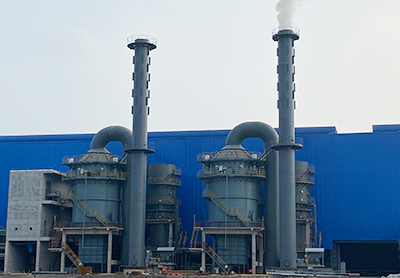
Wet electric and wet dust removal project of Steel slag of Hebei Handan Zhongban Steel Mill
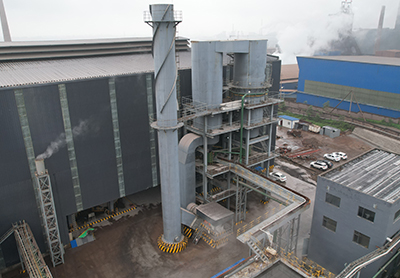
Shanxi Hongda steel slag wet electric Dust removal project
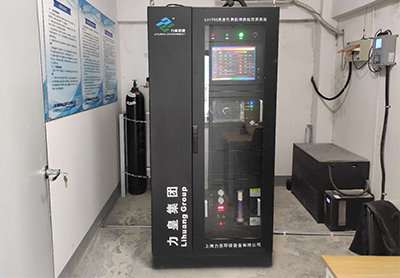
Shanghai Bulannuo Industrial packaging materials online monitoring project
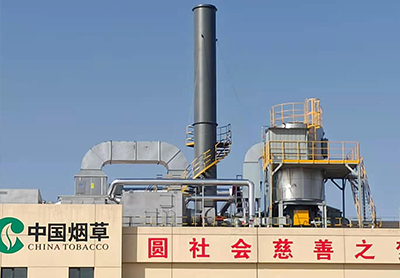
China Tobacco Ningxia Hongde VOCs exhaust gas treatment project
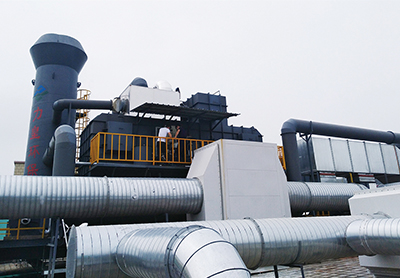
Shanghai Hengjie Wood Industry VOCs waste gas treatment project
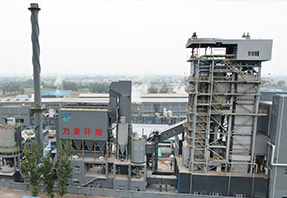
Pingyao Paper Mill desulfurization, denitration and dust removal EPC project
The State Council issues the Action Plan for Energy Conservation and Carbon Reduction from 2024 to 2025
The State Council released the Action Plan for Energy Conservation and Carbon Reduction from 2024 to 2025 on the 29th. The action plan is an important deployment to promote the achievement of the "14th Five Year Plan" energy conservation and carbon reduction goals. It proposes specific goals for energy conservation and carbon reduction in the next two years, deploys ten major actions for energy conservation and carbon reduction, and creates positive conditions for promoting the shift from dual control of energy consumption to dual control of carbon emissions.
Overall requirements
2024
The energy consumption and carbon dioxide emissions per unit of GDP have decreased by about 2.5% and 3.9%, respectively,
The energy consumption of value-added industrial units above designated size has decreased by about 3.5%, and the proportion of non fossil energy consumption has reached about 18.9%,
The energy-saving and carbon reduction transformation in key areas and industries has resulted in an energy saving of about 50 million tons of standard coal and a reduction of about 130 million tons of carbon dioxide.
2025
Non fossil energy consumption accounts for about 20%,
The energy-saving and carbon reduction transformation in key areas and industries has resulted in an energy saving of about 50 million tons of standard coal and a reduction of about 130 million tons of carbon dioxide,
Make every effort to achieve the binding targets for energy conservation and carbon reduction during the 14th Five Year Plan period.
Ten key tasks have defined these digital goals
(1) Action to reduce and replace fossil energy consumption
1. Strictly and reasonably control coal consumption.
By the end of 2025, the key areas for air pollution prevention and control, including plain areas, will have almost zero scattered coal, and coal-fired boilers and various coal-fired facilities with a capacity of 35 steam tons/hour or less will be basically phased out.
2. Optimize the structure of oil and gas consumption.
(2) Action to Increase Non Fossil Energy Consumption
1. Increase efforts in the development of non fossil fuels.
By the end of 2025, the proportion of non fossil energy generation in China will reach around 39%.
2. Enhance the consumption capacity of renewable energy.
By the end of 2025, the installed capacity of pumped storage and new energy storage in China will exceed 62 million kilowatts and 40 million kilowatts respectively; The demand response capacity of each region should generally reach 3% -5% of the maximum electricity load, and the demand response capacity of regions with an annual peak valley difference of over 40% of the maximum electricity load should reach more than 5% of the maximum electricity load.
3. Vigorously promote the consumption of non fossil fuels.
Scientifically and reasonably determining the scale of new energy development, while ensuring economic efficiency, the utilization rate of new energy in areas with better resource conditions can be reduced to 90%.
In the first three years of the 14th Five Year Plan, regions with lagging progress in energy conservation and carbon reduction targets should implement commitments to non fossil energy consumption for new projects. In the second two years after the 14th Five Year Plan, the proportion of non fossil energy consumption for new high energy consuming projects should not be less than 20%, and local governments are encouraged to increase the proportion requirements based on actual conditions.
(3) Energy saving and carbon reduction actions in the steel industry
1. Strengthen the regulation of steel production capacity and output.
New construction and expansion of steel smelting projects must reach the benchmark level of energy efficiency and A-level environmental performance.
2. Deeply adjust the structure of steel products.
By the end of 2025, the proportion of electric furnace steel production to the total crude steel production will strive to increase to 15%, and the utilization of scrap steel will reach 300 million tons.
3. Accelerate energy-saving and carbon reduction transformation in the steel industry.
By the end of 2025, the proportion of production capacity above the energy efficiency benchmark level in the steel industry will reach 30%. Production capacity below the energy efficiency benchmark level will complete technological transformation or be phased out, and over 80% of steel production capacity nationwide will complete ultra-low emission transformation; Compared with 2023, the comprehensive energy consumption per ton of steel has decreased by about 2%, and the self generation rate of waste heat and pressure has increased by more than 3 percentage points.
From 2024 to 2025, the energy-saving and carbon reduction transformation of the steel industry will result in an energy-saving amount of about 20 million tons of standard coal and a reduction of about 53 million tons of carbon dioxide.
(4) Energy saving and carbon reduction actions in the petrochemical and chemical industry
1. Strict policy requirements for the petrochemical and chemical industry.
New construction and expansion of petrochemical and chemical projects must reach the benchmark level of energy efficiency and A-level environmental performance. The production capacity used for replacement must be promptly shut down and major production facilities dismantled as required.
Fully eliminate atmospheric and vacuum distillation units with an annual output of 2 million tons or less.
By the end of 2025, the national crude oil processing capacity will be controlled within 1 billion tons.
2. Accelerate energy-saving and carbon reduction transformation in the petrochemical and chemical industry.
By the end of 2025, the proportion of production capacity above the energy efficiency benchmark level in the refining, ethylene, synthetic ammonia, and calcium carbide industries will exceed 30%, and production capacity below the energy efficiency benchmark level will complete technical transformation or be phased out.
From 2024 to 2025, the energy-saving and carbon reduction transformation of the petrochemical and chemical industry will result in an energy-saving amount of about 40 million tons of standard coal and a reduction of about 110 million tons of carbon dioxide.
3. Promote the process reengineering of petrochemical and chemical engineering.
(5) Energy saving and carbon reduction actions in the non-ferrous metal industry
1. Optimize the layout of non-ferrous metal production capacity.
By the end of 2025, the proportion of recycled metal supply will reach over 24%, and the proportion of aluminum water direct alloying will increase to over 90%.
2. Strictly increase the admission of non-ferrous metal projects.
New and expanded electrolytic aluminum projects must reach the benchmark level of energy efficiency and A-level environmental performance. The energy efficiency of new and expanded alumina projects must reach the advanced value of mandatory energy consumption quota standards.
3. Promote energy-saving and carbon reduction transformation in the non-ferrous metal industry.
By the end of 2025, the proportion of production capacity above the energy efficiency benchmark level in the electrolytic aluminum industry will reach 30%, and the proportion of renewable energy usage will reach over 25%; The proportion of production capacity above the benchmark level of energy efficiency in copper, lead, and zinc smelting reaches 50%; The non-ferrous metal industry has completed technological transformation or phased out production capacity below the energy efficiency benchmark level.
From 2024 to 2025, the energy-saving and carbon reduction transformation of the non-ferrous metal industry will result in an energy-saving amount of about 5 million tons of standard coal and a reduction of about 13 million tons of carbon dioxide.
(6) Energy saving and carbon reduction actions in the building materials industry
1. Strengthen the regulation of production capacity and output in the building materials industry.
By the end of 2025, the national cement clinker production capacity will be controlled at around 1.8 billion tons.
2. Strictly increase the admission of building materials projects.
The construction and expansion of cement, ceramics, and flat glass projects must reach the benchmark level of energy efficiency and A-level environmental performance.
By the end of 2025, the proportion of production capacity above the energy efficiency benchmark level in the cement and ceramic industries will reach 30%, the proportion of production capacity above the energy efficiency benchmark level in the flat glass industry will reach 20%, and the production capacity below the energy efficiency benchmark level in the building materials industry will complete technological transformation or be phased out.
3. Promote energy-saving and carbon reduction transformation in the building materials industry.
By the end of 2025, about 50% of the cement clinker production capacity in key areas for air pollution prevention and control will have completed ultra-low emission transformation.
From 2024 to 2025, the energy-saving and carbon reduction transformation of the building materials industry will result in energy savings of about 10 million tons of standard coal and carbon dioxide emissions reduction of about 26 million tons.
(7) Building Energy Conservation and Carbon Reduction Action
1. Accelerate the transformation of construction methods.
By the end of 2025, the green building standards will be fully implemented for new urban buildings, and the photovoltaic coverage rate on the roofs of newly built public institutions and factories will strive to reach 50%. The renewable energy substitution rate for urban buildings will reach 8%, and the area of newly built ultra-low energy consumption buildings and near zero energy consumption buildings will increase by more than 20 million square meters compared to 2023.
2. Promote the renovation of existing buildings.
By the end of 2025, the energy-saving renovation area of existing buildings will increase by more than 200 million square meters compared to 2023, and the heat loss of urban heating networks will decrease by about 2 percentage points compared to 2020. The energy-saving rates of renovated residential and public buildings will increase by 30% and 20% respectively.
3. Strengthen building operation management.
(8) Transportation Energy Conservation and Carbon Reduction Action
1. Promote the construction of low-carbon transportation infrastructure.
2. Promote low-carbon transformation of transportation equipment.
By the end of 2025, the carbon dioxide emission intensity in the transportation sector will decrease by 5% compared to 2020.
3. Optimize the transportation structure.
By the end of 2025, the freight volume of railways and waterways will increase by 10% and 12% respectively compared to 2020, and the comprehensive energy consumption per unit converted turnover of railways will decrease by 4.5% compared to 2020.
(9) Public Institution Energy Conservation and Carbon Reduction Action
1. Strengthen energy conservation and carbon reduction management in public institutions.
By the end of 2025, the energy consumption per unit building area, carbon emissions per unit building area, and per capita comprehensive energy consumption of public institutions will be reduced by 5%, 7%, and 6% respectively compared to 2020.
2. Implement energy-saving and carbon reduction renovations for public institutions.
By the end of 2025, the proportion of coal consumption in public institutions will decrease to below 13%, and the proportion of advanced energy efficiency in key energy consuming equipment such as boilers, substations, elevators, heating, and refrigeration added by central and state organs will reach 80%.
(10) Energy saving and carbon reduction actions for energy consuming products and equipment
1. Accelerate the upgrading and renovation of energy consuming product equipment and facilities.
Compared with 2021, the average operating thermal efficiency of industrial boilers and power plant boilers increased by more than 5 percentage points and 0.5 percentage points respectively in 2025. The proportion of high-efficiency energy-saving motors and transformers in operation increased by more than 5 percentage points and 10 percentage points respectively. The proportion of high-efficiency energy-saving products in industrial refrigeration equipment, household refrigeration equipment, and general lighting equipment in operation reached 40%, 60%, and 50% respectively.
2. Strengthen the recycling of waste products and equipment.

 The Public
 Tik Tok





 Company Profile



![New stainless steel activated carbon adsorption box selected [Li Huang] spot supply](/static/upload/image/20230202/1675331534626389.jpg)