TOP
TOP
Related Products
Related Cases
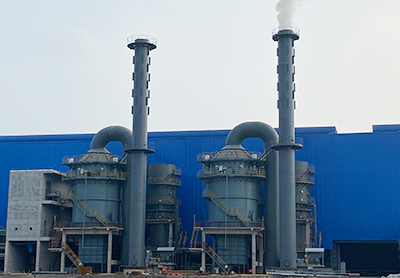
Wet electric and wet dust removal project of Steel slag of Hebei Handan Zhongban Steel Mill
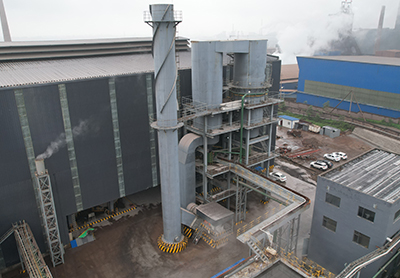
Shanxi Hongda steel slag wet electric Dust removal project
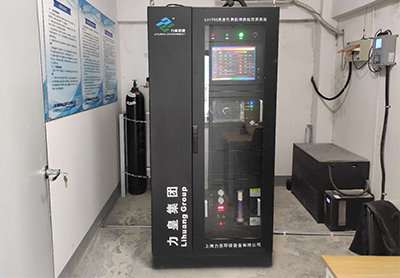
Shanghai Bulannuo Industrial packaging materials online monitoring project
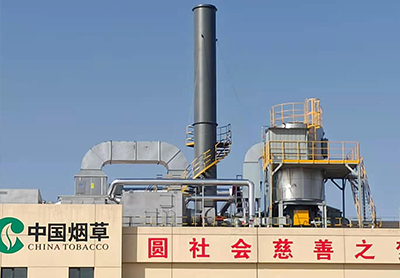
China Tobacco Ningxia Hongde VOCs exhaust gas treatment project
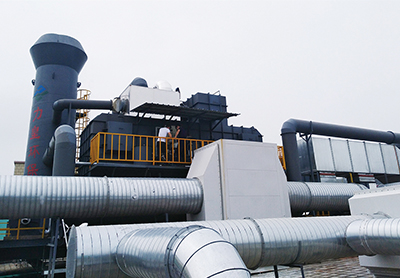
Shanghai Hengjie Wood Industry VOCs waste gas treatment project
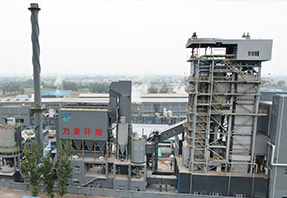
Pingyao Paper Mill desulfurization, denitration and dust removal EPC project
The Ministry of Industry and Information Technology has issued new regulations! Starting from November 1st, it is strictly prohibited to increase the production capacity of cement clinker and flat glass in key areas of national air pollution prevention and control
In order to further optimize the layout and structural adjustment of the cement glass industry, promote dynamic balance between market supply and demand, and improve the quality and efficiency of industry development, in accordance with the "Opinions of the Central Committee of the Communist Party of China and the State Council on Fully, Accurately, and Comprehensively Implementing the New Development Concept and Doing a Good Job in Carbon Peak and Carbon Neutrality" and "Opinions of the Central Committee of the Communist Party of China and the State Council on Accelerating the Comprehensive Green Transformation of Economic and Social Development" and other documents, the Ministry of Industry and Information Technology has revised and issued the "Implementation Measures for Capacity Replacement in the Cement Glass Industry (2024 Edition)" (formerly known as the "Implementation Measures").
The Implementation Measures adhere to systematic thinking and problem orientation, encourage advanced and eliminate backward, implement differentiated policies for different regions and varieties, optimize industrial layout, and enhance green and low-carbon levels. The main content of the revision is to tighten the requirements for cement replacement, clarify that inefficient operating capacity of cement clinker cannot be used for replacement, and cement clinker capacity used for replacement in new projects cannot be split and transferred. The second is to improve the capacity verification method, cancel the regulation of determining production capacity based on cement rotary kiln diameter and daily glass melting volume, and promote the unity of recorded production capacity and actual production capacity. The third is to implement regional differential management, clarifying that for newly built cement clinker production lines located in key areas of national air pollution prevention and control or provinces with an average utilization rate of less than 50% in the past three years, it is generally not allowed to exchange production capacity from outside the province. The fourth is to simplify the process of transferring production capacity across regions. Production capacity that is located in key areas for national air pollution prevention and control or within the same corporate group that is transferred across provinces may not be reported to the provincial industrial and information technology authorities in the place of transfer for public announcement. The fifth is to strengthen coordination with energy efficiency and environmental protection policies, and clarify that production capacity that does not meet the benchmark level of energy efficiency cannot be used for replacement. The Implementation Measures shall come into effect on November 1, 2024.

 The Public
 Tik Tok





 Company Profile






![New stainless steel activated carbon adsorption box selected [Li Huang] spot supply](/static/upload/image/20230202/1675331534626389.jpg)