TOP
TOP
Related Products
Related Cases
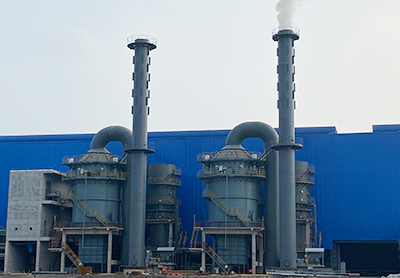
Wet electric and wet dust removal project of Steel slag of Hebei Handan Zhongban Steel Mill
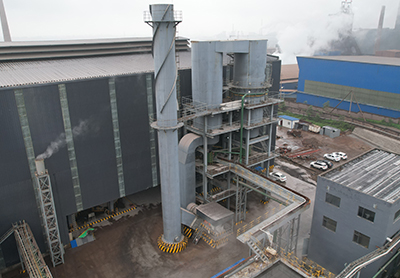
Shanxi Hongda steel slag wet electric Dust removal project
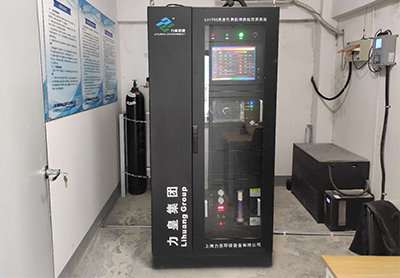
Shanghai Bulannuo Industrial packaging materials online monitoring project
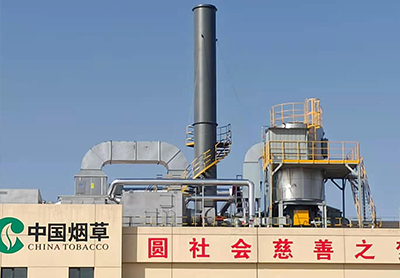
China Tobacco Ningxia Hongde VOCs exhaust gas treatment project
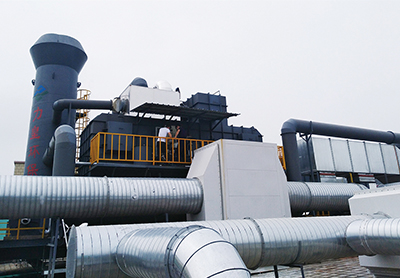
Shanghai Hengjie Wood Industry VOCs waste gas treatment project
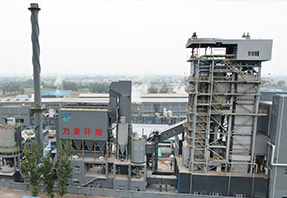
Pingyao Paper Mill desulfurization, denitration and dust removal EPC project
Dust collector hidden trouble special inspection how to do, this article can refer to
In order to further improve the safety management level of dust removal system equipment, standardize the design, installation, operation, maintenance and other links of dust removal system, ensure the safe and stable operation of the unit, prevent dust collector collapse, and eliminate equipment and personal accidents, the relevant key requirements are specifically specified.
I. Relevant standards
Hj2039-2014 Technical specification for dust removal engineering of thermal power plant
Hj2020-2012 General technical specification for bag dust collector engineering
JB/T6407-2017 Technical specification for safety of design, commissioning, operation and maintenance of electrostatic precipitator
DL/T5142-2012 Technical specification for ash removal design of thermal power plants
GB 50144-2019 Reliability evaluation standard for industrial buildings
GB 50009-2012 Load code for building structures
GB 50017-2017 Steel structure design standard
JB/T 12127-2015 Code for steel structure design of electrostatic precipitator
DL/T 387-2019 Guide for selection of flue gas bag filter in thermal power plant
DL/T 5047-95 Technical code for construction and acceptance of electric power constructions-Part boiler
If the above standards are updated, the latest standards will be implemented.
Two, design and installation requirements
1. Permanent load, variable load, wind load, snow load, construction and maintenance load and earthquake action should be considered in the design of the body structure, support and foundation of the dust collector, and the design should be carried out according to the most unfavorable combination.
2. When calculating the support structure, the ash load of the dust collector shall be calculated as 1.2 times of the full ash hopper reserve. The structure design of dust hopper and its connection is 1.5 times of the storage of dust hopper.
3. The design output of the positive pressure pneumatic ash transport system shall not be less than 150% of the ash discharge when the designed coal is burned under the condition of maximum continuous evaporation of the boiler, and shall not be less than 120% of the ash discharge when the checked coal is burned.
4. When the dust collector is reformed or enlarged, rebuilt or expanded, the reliability should be checked by the reformed design unit. When the original equipment and facilities are reused, the safety must also be checked, and the strength, load and stability of the dust collector foundation, steel structure and supporting rod in the box body should be checked again.
5. The design wall thickness of the ash hopper shall not be less than 5mm, and the welding seam and wall thickness of the old ash hopper must be checked during the transformation, and the strength checking calculation shall be carried out. If the strength does not meet the design requirements, reinforcement measures must be taken.
6. The lower part of dust hopper of dust collector should be equipped with emergency discharge mouth, and dust hopper must be equipped with reliable material level alarm device.
7. Construction shall be carried out in strict accordance with the design, and the concealed weld shall be qualified by the owner and supervision unit before the construction of the next process.
8. When the unit is put into production and reformed, it is necessary to carry out flow field optimization, air distribution simulation and cold state test on the dust collector to ensure the uniform flow field in operation.
9. Historical data of dust removal and ash transport system should be included in DCS or SIS system and stored for at least one year. Strengthen clock management for all control systems to ensure clock consistency.
Three, operation and maintenance measures
1. During operation, daily inspection and spot inspection should be strengthened in the dust collector area, and inspection records should be made. Check contents mainly include: dust collector shell, ash hopper no ash leakage, beam, column no deformation or subsidence, balance pipe, warehouse pump, ash pipe temperature is normal, intake valve, feed valve, sealing valve, balance valve and other system valves, ash hopper heating input is normal.
2. Strengthen the monitoring of the working parameters of the dust collector and ash transport system, strictly record the shift, and timely report any abnormality in the operation.
3. When the ash hopper material level is high, the ash hopper should be given priority to feeding immediately to reduce the ash level. When necessary, the alarm of high material level can be eliminated by reducing the load of the unit, emergency ash discharge, adjusting the quality of coal in the furnace and other measures.
4. Long time operation of high material level is strictly prohibited. The allowable high material level duration of ash hopper should be set according to the comprehensive judgment of ash hopper volume, coal quality and unit load. After taking measures, the high material level alarm still exists, and exceeds the ash hopper to allow high material level duration, must be immediately shut down processing.
5. During emergency ash discharge, reliable safety and environmental protection measures should be taken to prevent personal burns and reduce pollution to the surrounding environment.
6. When the coal type changes, the actual ash discharge amount should be converted according to the coal quality into the furnace to check the output of the ash transport system. If the output exceeds the designed output of the ash transport system, the load of the unit should be reduced in time.
7. Strictly control ash storage material level to prevent high ash storage material level from affecting the normal operation of ash transport system.
8. It is necessary to lead the ash hopper material level high alarm signal to the main control room, set the DCS alarm, and in the position above the high material level alarm elevation, install local or remote negative pressure monitoring device, auxiliary judgment of the ash hopper material level, negative pressure monitoring device should have the function of backblowing plugging.
9. In case of regional high material level or ash hopper leakage and other abnormal situations, systematic and professional analysis should be organized in time, and blind treatment should be put an end to.
10. When it is found that the ash drop of individual ash conveying bin pump is often greater than the design output, the air distribution test of dust collector should be carried out in combination with maintenance to optimize and adjust the smoke air flow field.
Four, maintenance measures
1. The internal support of shell and ash bucket, corrosion, wear and thinning of the inner wall, ash bucket sealing weld, corrosion and deformation of steel structure, ash bucket outer wall reinforcement weld quality inspection and detection work, into the unit maintenance standard items.
2. During the maintenance of the unit, it should focus on checking the opening and welding of the inner support parts of the ash hopper without deformation; Check the original welds of ash hopper panels and bottom beams, stiffeners, supports and bottom beams, in principle, check once in an overhaul cycle. The processing process is strictly in accordance with the design requirements and relevant standards.
3. Combined with the unit maintenance to strengthen the ash hopper wall thickness inspection, according to each wall up and down two points to measure the ash hopper wall thickness, the total is not less than 8 points; Check the sealing welds of the ash hopper according to the ash leakage situation of the equipment during operation, and make penetration detection for 100% of the repaired welds.
4. The ash hopper material level meter, pressure transmitter, pressure switch and other monitoring instruments should be checked regularly to ensure the accuracy of measurement.
5. Technical files and materials such as equipment supervision, construction, supervision, efficiency and flow field test reports of dust collector infrastructure and overhaul and transformation should be filed in a timely and comprehensive manner.
6. When the unit is on standby for maintenance, check ash accumulation on the inlet and outlet flue and ash hopper of the dust collector. If ash accumulation is found, it should be cleaned in time.

 The Public
 Tik Tok





 Company Profile






![New stainless steel activated carbon adsorption box selected [Li Huang] spot supply](/static/upload/image/20230202/1675331534626389.jpg)