TOP
TOP
Related Products
Related Cases
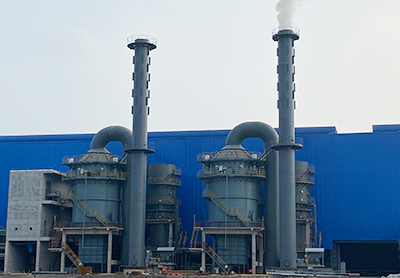
Wet electric and wet dust removal project of Steel slag of Hebei Handan Zhongban Steel Mill
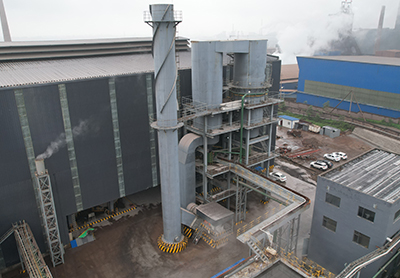
Shanxi Hongda steel slag wet electric Dust removal project
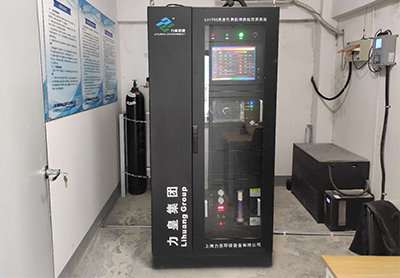
Shanghai Bulannuo Industrial packaging materials online monitoring project
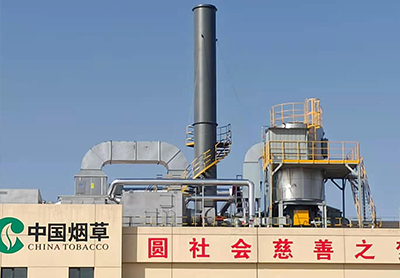
China Tobacco Ningxia Hongde VOCs exhaust gas treatment project
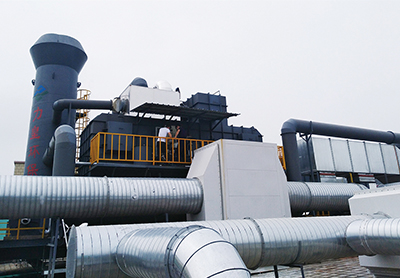
Shanghai Hengjie Wood Industry VOCs waste gas treatment project
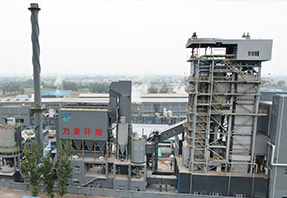
Pingyao Paper Mill desulfurization, denitration and dust removal EPC project
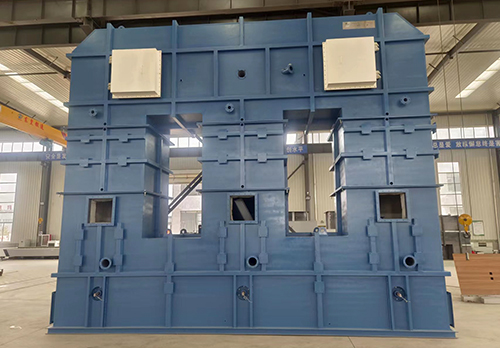
Why is the main RTO device odd number of chambers?
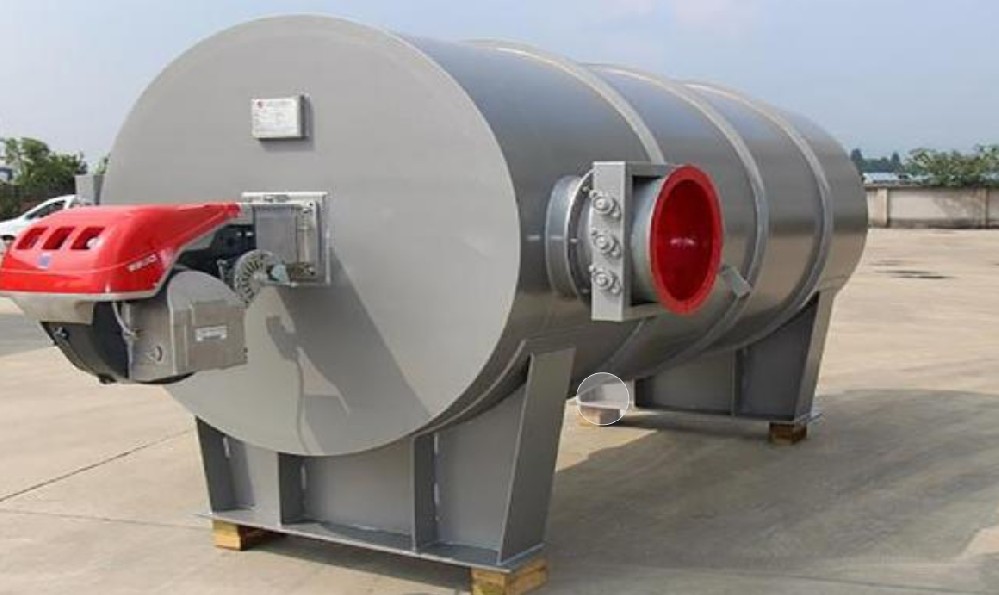
The working principle of RTO is well known: that is, VOCs are preheated to a certain temperature through a regenerative body, and then oxidized and burned into CO2 and water in the combustion chamber. The high temperature gas produced by oxidative combustion flows through the regenerator to heat up the regenerator, and this "heat storage" is used to preheat the waste gas newly entered the furnace. The inlet and outlet gas of the heat accumulator is constantly switched by the reversing valve to form a cycle of continuous work.
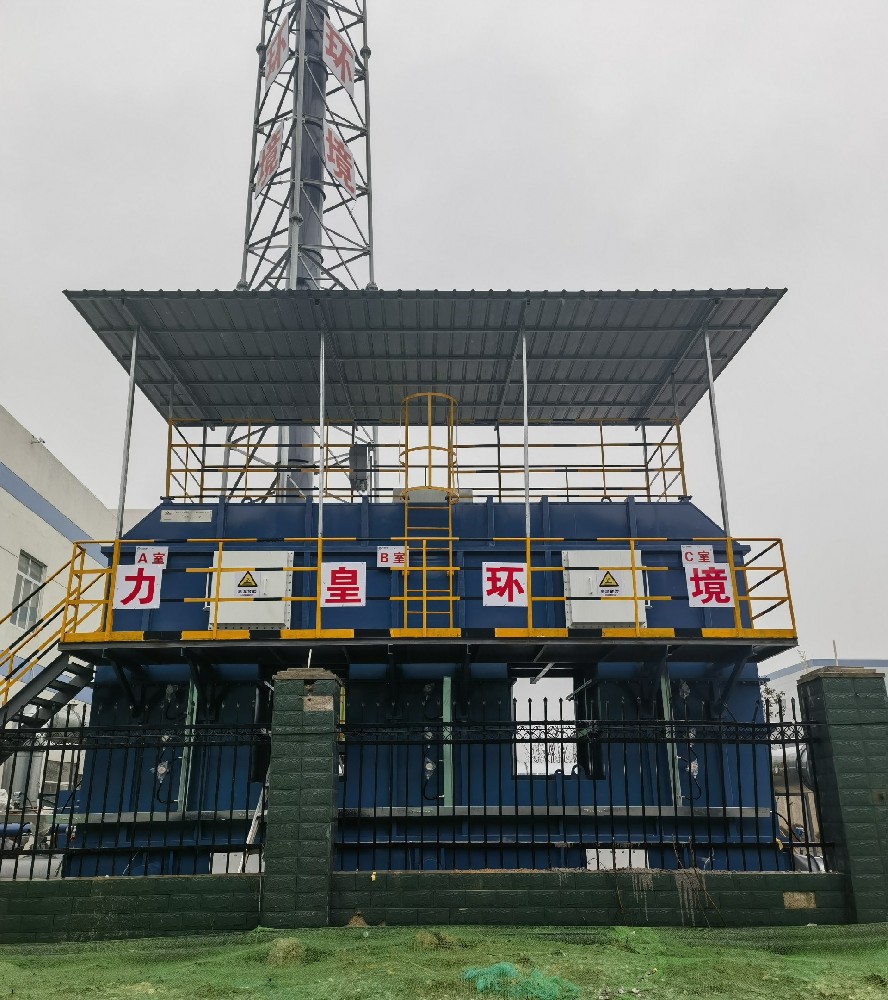
In fact, tower RTO can be divided into even RTO and odd RTO, but why are there mainly odd RTO in China? For RTO equipment with even number of chambers, the fixed two halves of the regenerator chamber alternately enter/leave the exhaust gas through the switch of the valve, which can complete the release/absorption of heat; But at the time of the valve switch, there will be a chamber from the inlet into the exhaust state, then there will be a part of just coming into the regenerator can't even enter the regenerator flue gas because of the change Chambers for exhaust directly from the eduction in equipment, this part of the gas is not after high temperature range, in which have not been decomposition of VOCs, relatively high concentration. Moreover, the RTO efficiency of even-numbered chambers will be reduced due to the frequent state switching of the RTO system. However, for RTO equipment with odd number of chambers, there will be a regenerator chamber for cleaning, so that the residual unreacted organic waste gas will be swept back to the furnace for oxidation, which can well ensure the exhaust gas treatment efficiency.
Generally, the VOCs removal rate of even RTO is only more than 95%, while the VOCs removal rate of odd RTO can reach more than 99%. Therefore, the current domestic mainstream RTO waste gas treatment equipment is generally odd number of chambers.

 The Public
 Tik Tok





 Company Profile






![New stainless steel activated carbon adsorption box selected [Li Huang] spot supply](/static/upload/image/20230202/1675331534626389.jpg)