TOP
TOP
Related Products
Related Cases
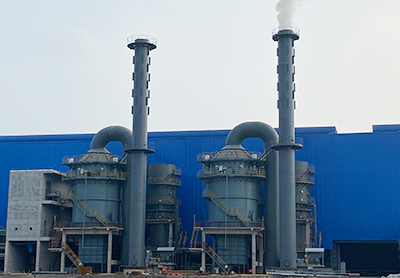
Wet electric and wet dust removal project of Steel slag of Hebei Handan Zhongban Steel Mill
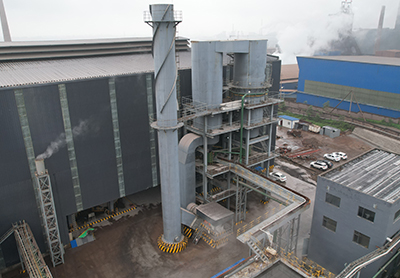
Shanxi Hongda steel slag wet electric Dust removal project
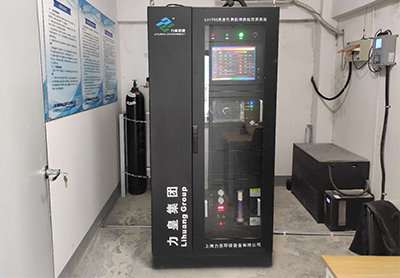
Shanghai Bulannuo Industrial packaging materials online monitoring project
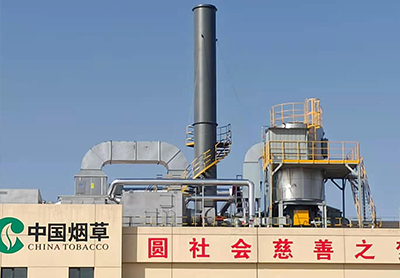
China Tobacco Ningxia Hongde VOCs exhaust gas treatment project
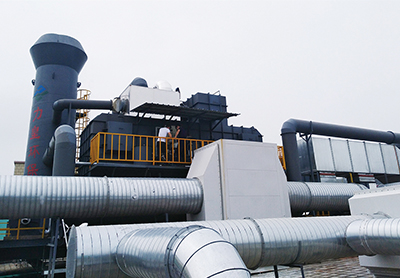
Shanghai Hengjie Wood Industry VOCs waste gas treatment project
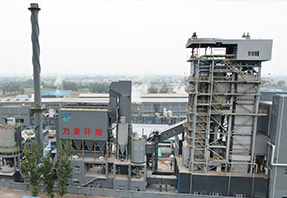
Pingyao Paper Mill desulfurization, denitration and dust removal EPC project
Advantages and disadvantages of various governance methods for VOCs destruction technology
There are many VOCs destruction and treatment technologies, mainly including combustion, biodegradation, photocatalysis, plasma, and advanced oxidation treatment at room temperature. The various treatment methods of VOCs destruction technology have their advantages and disadvantages.
1. Combustion method
Principle: Under the action of a catalyst, organic waste gas can oxidize organic pollutants in the waste gas into carbon dioxide and water at lower temperatures (200-400). Due to its low ignition temperature and absence of open flames, it is an ideal method for treating organic pollutants.
Advantages: Low investment costs; The preparation equipment is relatively simple; Easy and convenient to operate.
Disadvantage: extremely low safety factor; Flammable and explosive during the processing; Burning produces secondary pollutants.
2. Biodegradation method
Principle: Utilizing microorganisms to digest and metabolize pollutants in exhaust gas, transforming them into harmless water, carbon dioxide, and other inorganic salts.
Advantages: Low energy consumption and low cost; Complete oxidation; Low energy consumption.
Disadvantage: Low energy efficiency; Deactivation of photocatalysts; Visible light.
3. Photocatalytic method
Principle: Photocatalytic oxidation utilizes a specially designed high-energy and high ozone UV beam to irradiate exhaust gas, causing organic or inorganic polymer odor compound molecular chains to react with ozone under high-energy UV beam irradiation to generate low molecular compounds such as CO2, H2O, etc.
Advantages: Mild conditions, normal temperature and pressure; Simple equipment and convenient maintenance; Reduce or even prevent secondary pollution.
Disadvantage: Large footprint; Climate has a significant impact; Changes in working conditions will have a significant impact.
4. Plasma method
Principle: A large number of active substances such as ions, electrons, excited atoms, molecules, and free radicals are enriched in the plasma field. Active substances separate pollutant molecules from small molecules.
Advantages: achieving low-temperature removal of VOCs; High processing efficiency and low energy consumption; Purify and freshen the air; The equipment occupies a small area.
Disadvantages: immature technology, small processing capacity, and high requirements for power supply; It will produce harmful by-products.
5. Advanced oxidation treatment at room temperature
Principle: Mainly utilizing water, electricity, and a small amount of chemicals, combined with micro and nano bubbles, ozone is used to generate a deep oxidation reaction of hydroxyl radicals with catalysts and reactants, decomposing the organic components in exhaust gas.
Advantages: Advanced oxidation treatment at room temperature; High safety, no risk of fire or explosion; Low life cycle cost; Low preprocessing requirements; Widely applicable.
Disadvantages: room temperature catalytic oxidation, bed temperature ≤ 50 ℃; It is necessary to prepare thermal energy in advance, and restarting once stopped will take time.
Different governance methods can be combined and supplemented in implementation to achieve better governance results. At the same time, the selection of governance methods should comprehensively consider factors such as technical feasibility, cost-effectiveness, environmental risks, and social impact, and be adjusted and optimized according to actual situations.

 The Public
 Tik Tok





 Company Profile






![New stainless steel activated carbon adsorption box selected [Li Huang] spot supply](/static/upload/image/20230202/1675331534626389.jpg)