TOP
TOP
Related Products
Related Cases
Wet electric and wet dust removal project of Steel slag of Hebei Handan Zhongban Steel Mill
Shanxi Hongda steel slag wet electric Dust removal project
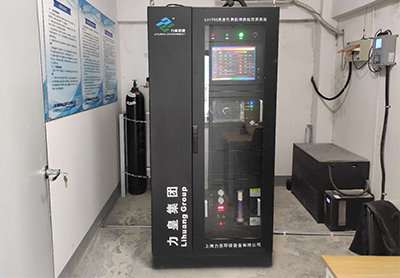
Shanghai Bulannuo Industrial packaging materials online monitoring project
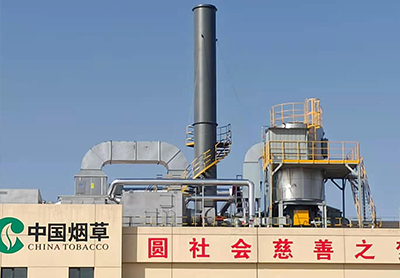
China Tobacco Ningxia Hongde VOCs exhaust gas treatment project
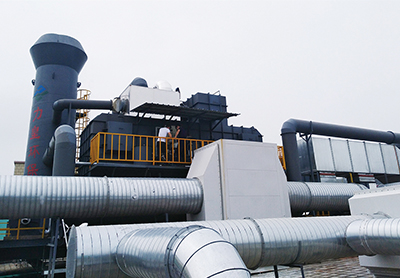
Shanghai Hengjie Wood Industry VOCs waste gas treatment project
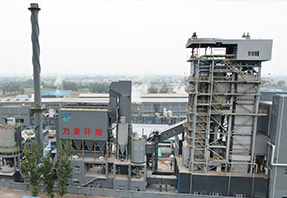
Pingyao Paper Mill desulfurization, denitration and dust removal EPC project
The difference between TO direct combustion furnace and RTO thermal storage incinerator
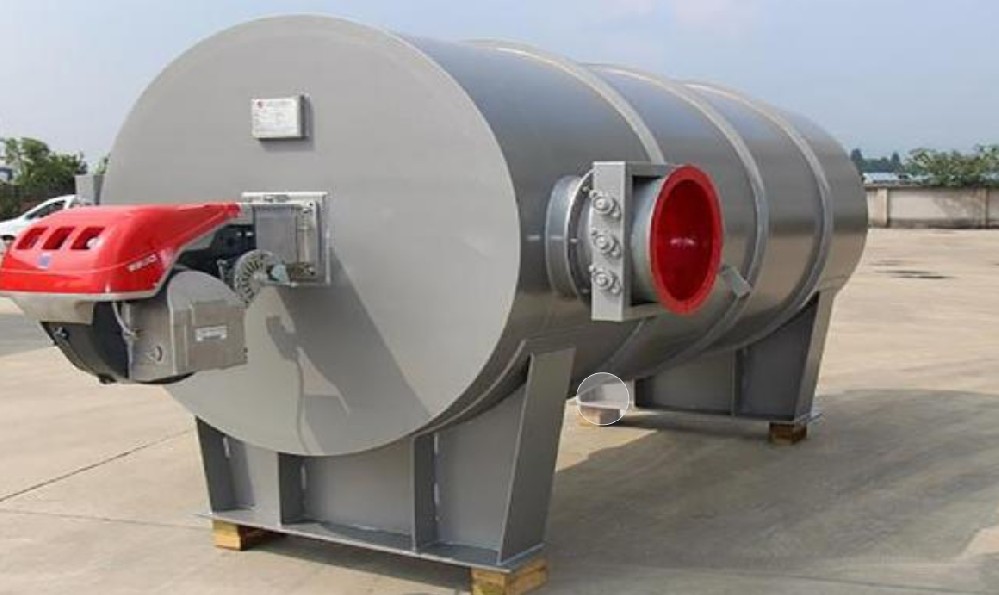
Both TO direct combustion furnaces and RTO thermal storage incinerators are widely used in the field of waste gas treatment, but they have significant differences in advantages and disadvantages.
Advantages of TO direct combustion furnace:
1. Simple structure: The design of the direct combustion exhaust gas incinerator is relatively simple, without a complex heat recovery system, so its maintenance and operation may be more direct.
2. Wide applicability: TO direct combustion furnace is suitable for treating various types of waste gases, especially in certain specific industries and application scenarios, and may be an economical and practical choice.
Disadvantages of TO direct combustion furnace:
1. Low energy efficiency: Due to the lack of a heat recovery mechanism in direct combustion furnaces, their energy efficiency is relatively low. During the combustion process, a large amount of thermal energy is directly lost, resulting in significant fuel consumption.
2. Difficulty in temperature control: It is difficult to stably control the direct combustion furnace within a higher temperature range, which may lead to incomplete oxidation and decomposition of organic matter, thereby affecting the effectiveness of waste gas treatment.
3. Possible secondary pollution: Due to improper temperature control or incomplete combustion, direct combustion furnaces may produce some harmful emissions, such as black smoke, odors, etc., causing secondary pollution to the surrounding environment.
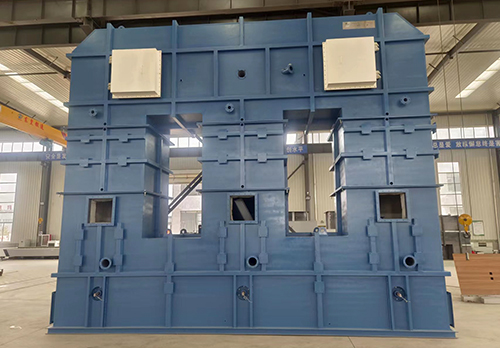
Advantages of RTO thermal storage incinerator:
1. High energy efficiency: The RTO incinerator adopts regenerative heat exchange technology, which can achieve efficient heat recovery and greatly reduce fuel consumption.
2. High temperature treatment: The RTO incinerator can easily reach a high temperature of 800~900 ℃, ensuring that organic matter is thoroughly oxidized and decomposed into water and carbon dioxide, achieving better waste gas treatment effects.
3. Excellent environmental performance: Due to the thorough decomposition of organic matter, the RTO incinerator does not produce black particles or odors at the exhaust chimney, and has a relatively small impact on the surrounding environment.
4. High degree of automation: RTO incinerators are usually equipped with PLC automatic control systems to achieve automated linkage control of waste gas and reduce labor costs.
Disadvantages of RTO thermal storage incinerators:
1. High investment cost: Due to the complex structure and advanced technology of RTO incinerators, their initial investment cost is usually high.
2. High requirements for operation and maintenance: In order to ensure the efficient and stable operation of the RTO incinerator, professional operation and maintenance personnel are required, which also increases operating costs.
In summary, there are significant differences in advantages and disadvantages between TO direct combustion furnaces and RTO thermal storage incinerators. When selecting exhaust gas treatment equipment, comprehensive consideration should be given to specific exhaust gas characteristics, treatment requirements, economic costs, and other factors.

 The Public
 Tik Tok





 Company Profile






![New stainless steel activated carbon adsorption box selected [Li Huang] spot supply](/static/upload/image/20230202/1675331534626389.jpg)