TOP
TOP
Related Products
Related Cases
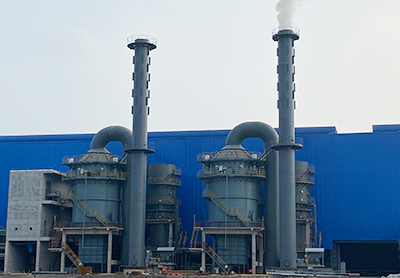
Wet electric and wet dust removal project of Steel slag of Hebei Handan Zhongban Steel Mill

Shanxi Hongda steel slag wet electric Dust removal project
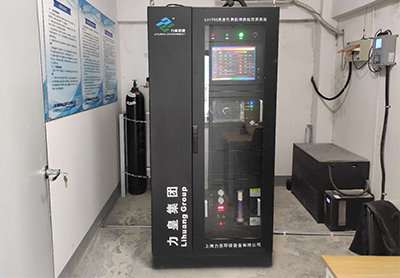
Shanghai Bulannuo Industrial packaging materials online monitoring project
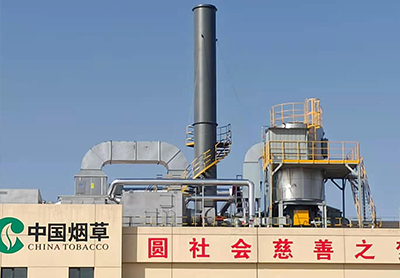
China Tobacco Ningxia Hongde VOCs exhaust gas treatment project
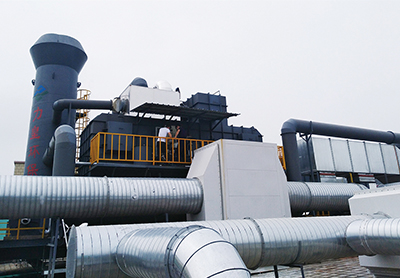
Shanghai Hengjie Wood Industry VOCs waste gas treatment project
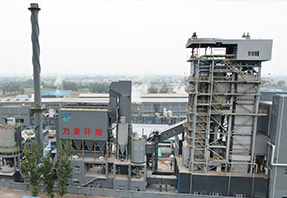
Pingyao Paper Mill desulfurization, denitration and dust removal EPC project
Differences and influencing factors between relative and absolute humidity of VOCs exhaust gas
The relative humidity and absolute humidity in exhaust gas are two different concepts that describe different aspects of water vapor content in air or exhaust gas.
Relative humidity refers to the ratio of the actual water vapor content in the exhaust gas to the saturated water vapor content at a certain temperature, expressed as a percentage. Relative humidity reflects the degree to which the air or exhaust gas is in a saturated state. It is a relative value that is related to temperature. As the temperature increases, even if the water vapor content remains constant, the relative humidity will decrease. Relative humidity has applications in many fields, such as meteorological forecasting, industrial process control, health and comfort assessment, etc.
Absolute humidity refers to the weight of moisture contained in a unit volume of gas or exhaust gas, usually expressed in grams per cubic meter (g/m ³). It is an absolute value, independent of temperature, and directly reflects the total amount of water vapor in the gas or exhaust gas. Absolute humidity is mainly influenced by air pressure and temperature, as these two factors determine the maximum amount of water vapor that can be contained per unit volume of air.
The factors that affect the relative and absolute humidity in VOCs exhaust gas include:
Temperature: As the temperature increases, the content of saturated water vapor increases, which may lead to a decrease in relative humidity, while absolute humidity may remain unchanged or increase.
Air pressure: As the air pressure increases, the content of saturated water vapor increases, which may affect relative humidity and absolute humidity.
The source and composition of exhaust gas: Different industrial processes can produce different components of exhaust gas, which may affect the content of water vapor.
Environmental conditions, such as humidity and temperature in the surrounding environment, can also have an impact on the humidity in the exhaust gas.
Understanding these humidity parameters is crucial for controlling and treating exhaust gases, evaluating their potential impacts on the environment and human health.

 The Public
 Tik Tok





 Company Profile






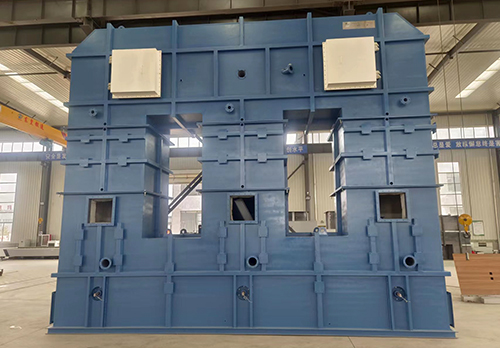
![New stainless steel activated carbon adsorption box selected [Li Huang] spot supply](/static/upload/image/20230202/1675331534626389.jpg)