TOP
TOP
Related Products
Related Cases
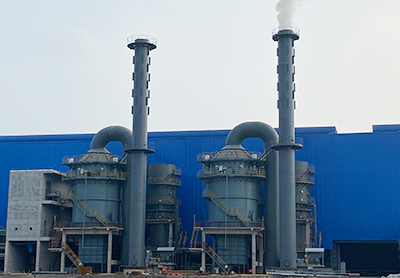
Wet electric and wet dust removal project of Steel slag of Hebei Handan Zhongban Steel Mill
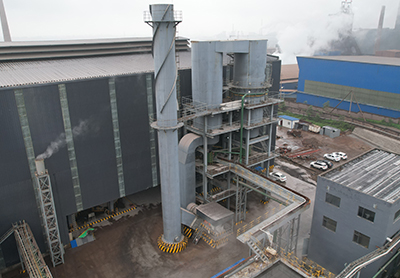
Shanxi Hongda steel slag wet electric Dust removal project
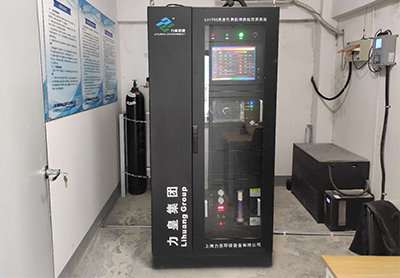
Shanghai Bulannuo Industrial packaging materials online monitoring project
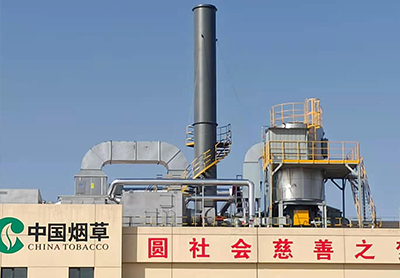
China Tobacco Ningxia Hongde VOCs exhaust gas treatment project
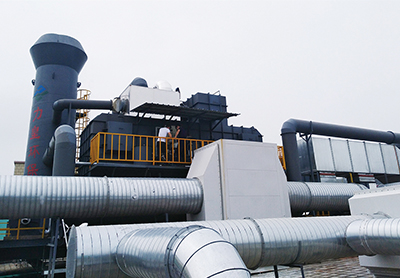
Shanghai Hengjie Wood Industry VOCs waste gas treatment project
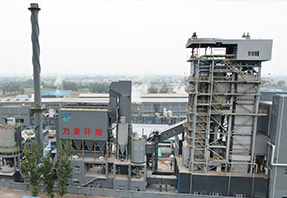
Pingyao Paper Mill desulfurization, denitration and dust removal EPC project
Analysis of reasons for blockage in RTO incinerators in the pharmaceutical industry
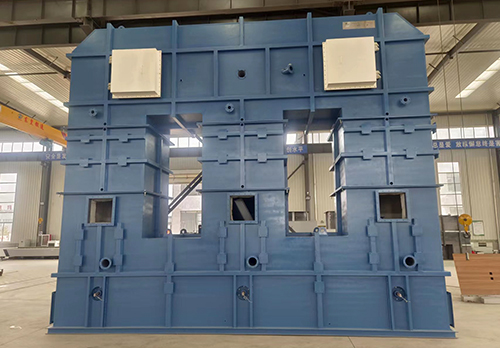
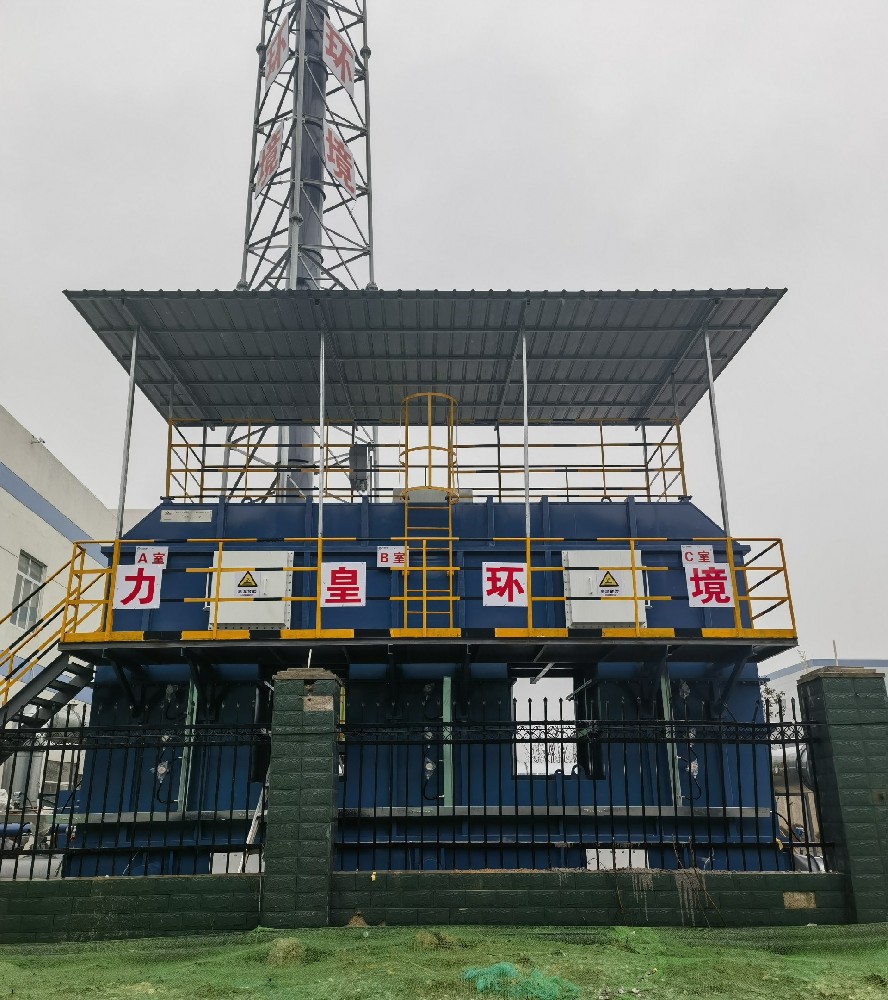
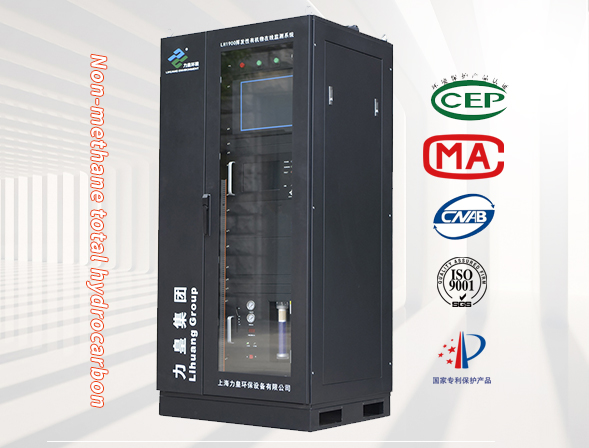
With the accumulation of operating time, the pharmaceutical industry RTO incinerator will experience a decrease in system negative pressure, an increase in fan load, and a significant decrease in air volume. During normal operation, the pressure difference between the inlet and outlet of the RTO system is 4000 Pa. As blockage accumulates, the pressure difference will increase to about 7000 Pa. At the same time, the online monitoring data of non methane total hydrocarbons at the RTO flue gas emission outlet is more than ten milligrams per liter higher than the normal value. The reason for this phenomenon is that the blockage of the heat storage body and the blockage affect the sealing of the lifting valve, resulting in trace amounts of untreated exhaust gas overflowing.
In order to ensure the effective processing capacity and effectiveness of RTO, it is necessary to shut down and cool down the RTO for inspection and cleaning, which affects the normal operation of the RTO system. After analysis, the main reasons for the formation of blockages are as follows:
(1) The workshop emits a large amount of waste gas from acidic and alkaline components into the RTO main pipeline, where an acid-base reaction occurs to form salts. Combined with other particles in the waste gas, they attach to the pipe wall, front induced draft fan, defogger, flame arrester, and lower chamber of the heat storage body. Although a defogger is installed in front of the RTO combustion chamber or induced draft fan, the main pipe has a fast wind speed and cannot be completely removed. The presence of acid, alkali, and salt leads to severe corrosion of the main pipe and defogger, and even the RTO thermal storage body causes corrosion peeling. The peeling of a large amount of elements such as iron, silicon, and aluminum exacerbates the blockage of the lower chamber of the RTO thermal storage body.
(2) The exhaust gas generated by the sewage treatment system contains trace amounts of dust and sludge particles (microorganisms), and the sludge components also contain substances such as organic matter, water, salt, and phosphorus. When it enters the RTO, it will adhere to the surface of the induced draft fan. After combustion, inorganic substances will adhere to the surface of the ceramic and combustion chamber. In addition, the waste gas generated in the anaerobic and anaerobic stages of sewage treatment not only contains methane gas, but also organic acids, a large amount of ammonia gas, hydrogen sulfide and other gases. The high concentration of salts and sulfides produced can easily cause blockage of the inlet and outlet of RTO thermal storage.
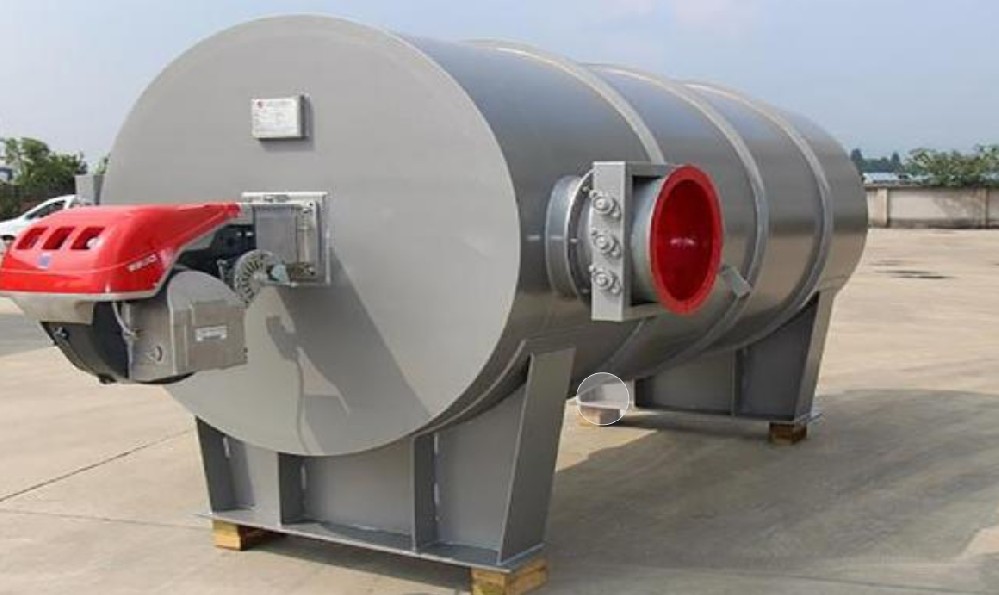
(3) The exhaust gas burns in the RTO combustion chamber. Sometimes, when the concentration and calorific value of the exhaust gas are high, it can cause the temperature of the upper chamber of the RTO to exceed the upper limit temperature of 1050 ℃. Under the condition of exceeding the temperature limit, it can damage the ceramic heat storage body. The damaged fragments will increase the stacking density, reduce the exhaust gas flux, and cause the fan load to increase, resulting in a decrease in the negative pressure of the system.
(4) After RTO combustion, gases containing P, S, and halogens in the exhaust gas will produce acidic gases. Some RTO systems have designed a function of using induced draft fans to introduce high-temperature exhaust gas from the upper chamber into the front end of the combustion chamber for preheating and intake. This acidic gas will cause corrosion to the RTO combustion chamber, flue gas outlet equipment, induced draft fans, and inlet pipelines of the combustion chamber. The corrosion reaction will produce iron sulfate, ferric chloride, etc., which will accumulate in the RTO chamber and ceramic heat storage body.

 The Public
 Tik Tok





 Company Profile






![New stainless steel activated carbon adsorption box selected [Li Huang] spot supply](/static/upload/image/20230202/1675331534626389.jpg)