TOP
TOP
Related Products
Related Cases
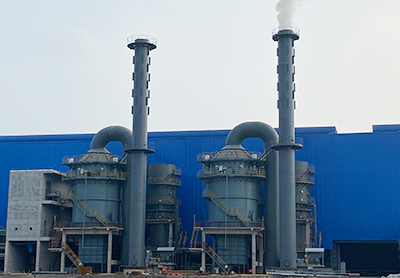
Wet electric and wet dust removal project of Steel slag of Hebei Handan Zhongban Steel Mill
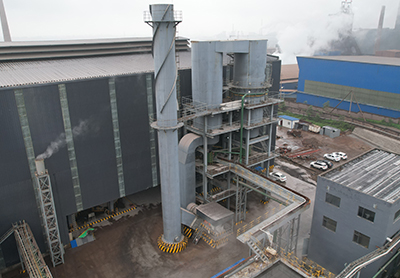
Shanxi Hongda steel slag wet electric Dust removal project
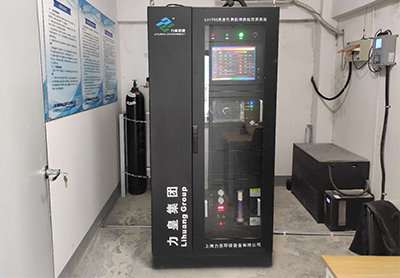
Shanghai Bulannuo Industrial packaging materials online monitoring project
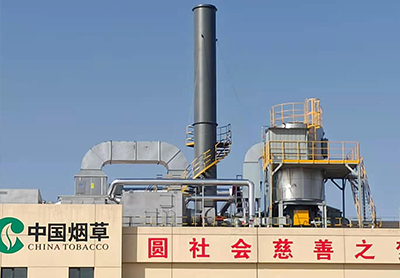
China Tobacco Ningxia Hongde VOCs exhaust gas treatment project
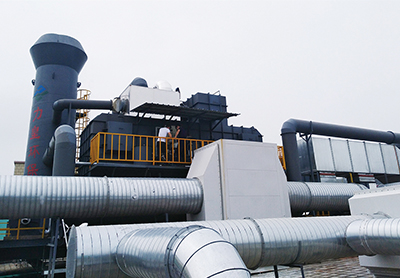
Shanghai Hengjie Wood Industry VOCs waste gas treatment project
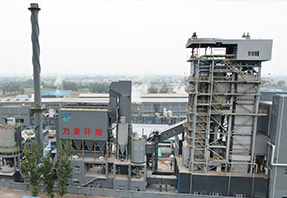
Pingyao Paper Mill desulfurization, denitration and dust removal EPC project
Detailed explanation of fluorine-containing waste gas treatment technology and methods
The treatment of fluorine-containing waste gas is a very important environmental protection work, as fluorine-containing waste gas can have a significant impact on the environment and human health. In order to effectively solve the problem of fluorine-containing waste gas, scientific treatment methods and technologies need to be adopted.
1、 The source of fluorine-containing waste gas
1.Fluorine containing waste gas generated during industrial production processes. The aluminum industry, fertilizer industry, petrochemical industry, semiconductor industry, etc. all produce fluorine-containing waste gas.
2. Use of chlorofluorocarbon products. Refrigerant, foam plastic, detergent, etc. will produce fluorine containing waste gas.
3. Fluorine containing waste gas generated during the combustion of coal, oil and other fuels.
2、 The impact of fluorine-containing waste gas
1. Impact on the environment. Fluorides in fluorine-containing exhaust gases can form hydrogen fluoride in the atmosphere, causing harm to plants and soil, and leading to the formation of acid rain. At the same time, chlorofluorocarbons in fluorine-containing exhaust gases can damage the ozone layer and pose a threat to the Earth's UV protection capabilities.
2. Impact on human health. Fluorides and chlorofluorocarbons in fluorine-containing waste gas are toxic substances, and long-term exposure to fluorine-containing waste gas can cause damage to human health. Fluoride can cause damage to teeth and bones, while chlorofluorocarbons can be harmful to the nervous and immune systems.
3、 Treatment methods for fluorine-containing waste gas
1. Absorption method. Absorption method is currently one of the widely used methods for treating fluorine-containing waste gas. The principle of absorption method is to capture pollutants such as fluoride and chlorofluorocarbons in fluorine-containing waste gas through absorbents, in order to achieve purification. Common absorbents include sodium hydroxide, calcium hydroxide, ammonia water, etc.
2. Activated carbon adsorption method. Activated carbon adsorption is a physical adsorption method that achieves purification by adsorbing organic pollutants such as fluoride and chlorofluorocarbons from fluorine-containing waste gas onto the surface of activated carbon. Activated carbon adsorption method has the advantages of high efficiency, economy, and practicality, and is widely used in the field of fluorine-containing waste gas treatment.
3. Catalytic oxidation method. Catalytic oxidation is a chemical reaction method that uses a catalyst to oxidize fluoride and chlorofluorocarbons in fluorine-containing exhaust gas, converting them into harmless substances. Common catalysts include titanium, chromium, iron, etc.
4. Biodegradation method. Biodegradation is a method of using microorganisms to degrade fluorine-containing waste gas. By contacting pollutants such as fluoride and chlorofluorocarbons in fluorine-containing waste gas with microorganisms, they can be decomposed and transformed to achieve purification. Biodegradation method has the advantages of environmental protection, economy, and high efficiency, and is widely used in the field of fluorine-containing waste gas treatment.

 The Public
 Tik Tok





 Company Profile






![New stainless steel activated carbon adsorption box selected [Li Huang] spot supply](/static/upload/image/20230202/1675331534626389.jpg)