TOP
TOP
Related Products
Related Cases
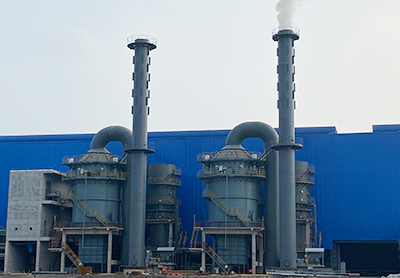
Wet electric and wet dust removal project of Steel slag of Hebei Handan Zhongban Steel Mill
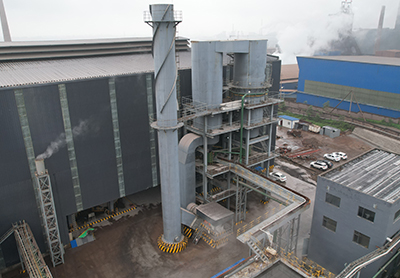
Shanxi Hongda steel slag wet electric Dust removal project
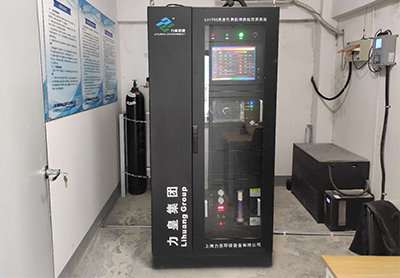
Shanghai Bulannuo Industrial packaging materials online monitoring project
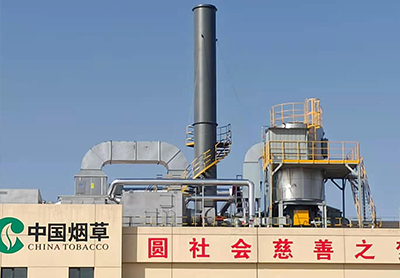
China Tobacco Ningxia Hongde VOCs exhaust gas treatment project
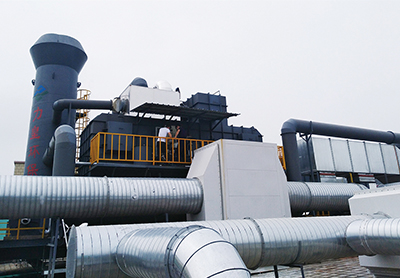
Shanghai Hengjie Wood Industry VOCs waste gas treatment project
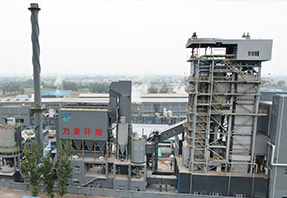
Pingyao Paper Mill desulfurization, denitration and dust removal EPC project
Measures and treatment methods for VOCs prevention and control in painting and coating
VOCs are volatile hydrocarbons. In the production of solvent based coatings, most diluents are xylene, toluene, benzene, 200 # gasoline, butyl ester, etc. Most of the production of alkyd and amino resins uses volatile organic raw materials such as pentaerythritol, phthalic anhydride, benzene, alcohols, and esters, which constantly emit volatile toxic gases in the production and construction environment. Although the production process is carried out in a closed system, VOCs pollution is still inevitable due to various uncontrollable factors such as production raw materials.
VOCs emitted into the atmosphere can cause photochemical pollution, where VOCs react with nitrogen oxides under the action of solar ultraviolet radiation to generate ozone, increasing ground level ozone concentration. When the ground level ozone concentration exceeds 1 μ L/L, it poses a threat to human health and can cause symptoms such as headache, dry throat, and weakness. Nowadays, many cities have added an air pollution index forecasting measure, which means that people have a greater concern for their living environment. Furthermore, the solvents and diluents used by coating companies are highly flammable and explosive, posing a serious fire hazard in hot summer weather.
Preventive measures for VOCs
1. Strengthen publicity and education
2. Strict on-site management
3. Improve process equipment
4. Develop new products
Methods for treating VOCs
Despite various measures taken to control pollution, VOCs pollution caused by solvent based products of coating companies has become another important source of gas pollution after smoke pollution. Therefore, enterprises must increase investment and effectively manage VOCs. At present, there are many technologies for VOCs control, and the following ones have good effects.
1. Active adsorption
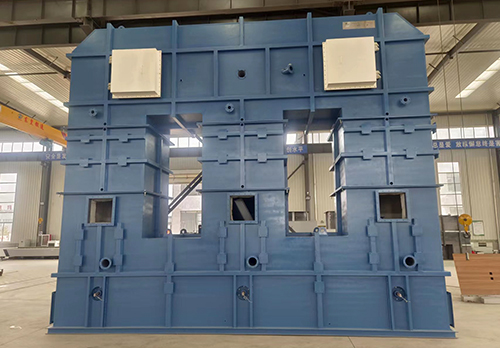
In the process of organic waste gas treatment, adsorption is one of the effective and widely used methods. Adsorbents include activated carbon, diatomaceous earth, zeolite, etc. Among them, activated carbon adsorption is the most widely used. Through the adsorption system, not only can the concentration of VOCs be greatly reduced, achieving standard emissions of exhaust gas, but also the collected materials can be reused in production after adsorption and gas desorption.
2. High altitude emissions from induced draft
This is one of the most commonly used and simplest methods in painting, sanding, and other positions in general enterprises, with low cost, easy operation, and significant effects. However, high-altitude emissions only transfer pollution and do not truly solve the pollution problem, while the power of the induced draft fan and the installation height of the air outlet directly affect the effectiveness of the induced draft.
3. Combustion treatment
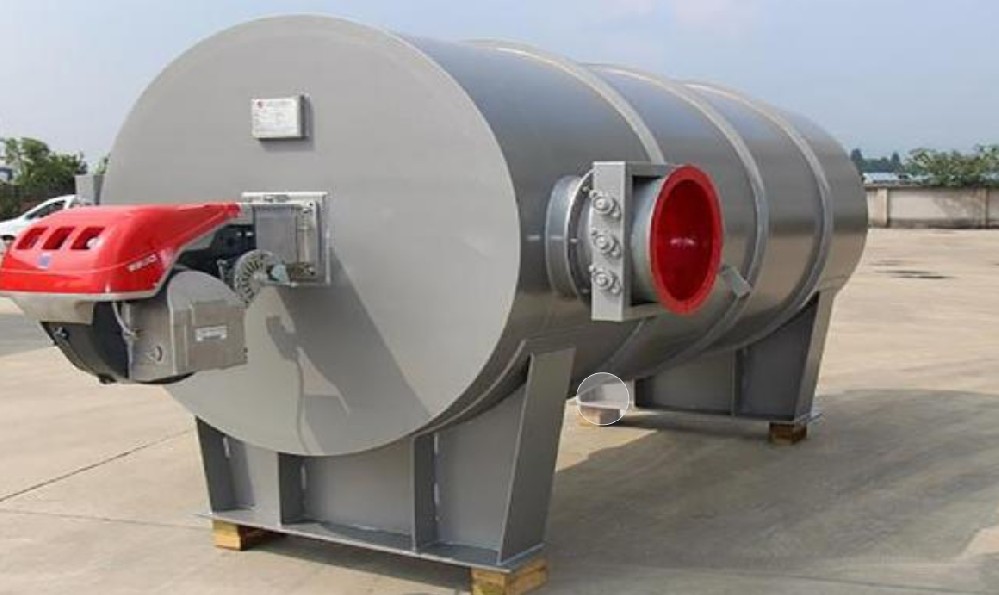
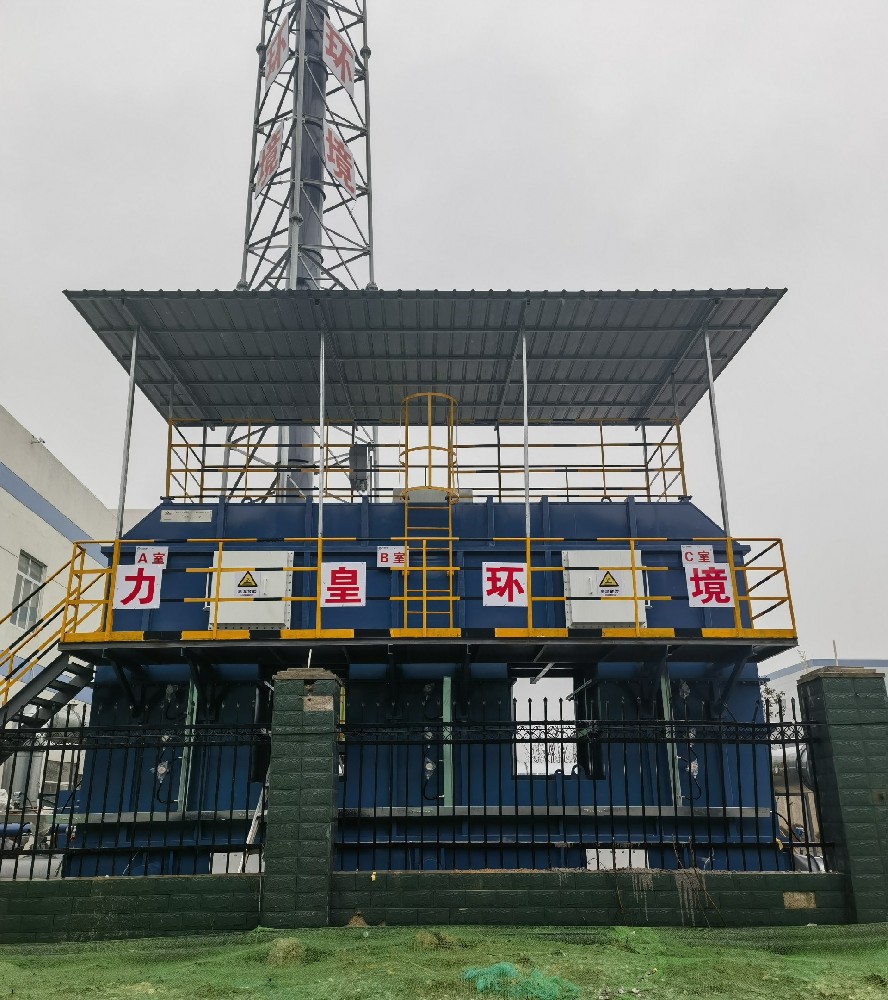
VOCs are organic volatile substances that are easily combustible and can be treated by ambient temperature or catalytic oxidation combustion. The gas is introduced into the boiler or incinerator through an induced draft duct for combustion, but safety certification is required for high-temperature organic gases. This method is relatively complete and can basically convert VOCs into CO2 and H2O.
4. Absorption degassing
Because VOCs are generally dissolved in organic solvents such as diesel or 200 # gasoline, they can be absorbed by diesel or 200 # gasoline, and the absorbed solvent can be used as fuel or diluent. This method is easy to operate and cost-effective, but there are generally residual volatile gases after absorption treatment. Due to the volatility of organic solvents, VOCs cannot be reduced to zero. If exposed to high temperatures, the absorption rate will be even lower.
5. Condensation collection
For high-temperature organic gases in reaction vessels, condensation collection can be used, first using direct condensation and then spiral condensation. This method has a significant degassing effect, is easy to operate, and has low operating costs, but it is not effective for low boiling point gases.
6. Biological processing
The biological treatment of organic waste gas is the most economical and effective method, with good results, lower operating costs than any other treatment method, and is safe and easy to operate. The biological purification methods for VOCs include direct microbial purification, indirect microbial treatment (first water absorption and then wastewater biological treatment), and plant purification. Direct biological purification includes biological absorption tanks, biological washing tanks, biological drip filters, and biological filtration tanks, which have good treatment effects and are easy to operate. Among them, biological filtration tank technology is mature and widely used. There are hundreds of waste gas biofilters built in Germany and the Netherlands, and their operating effects are very good. Indirect biological treatment method is to absorb VOCs with water or weak alkaline solution, which contains alcohols, aldehydes and other substances that are easily soluble in water. The absorbed wastewater is then biodegraded to meet the discharge standards. The plant purification method is to increase the green area in the factory area and use green plants to absorb and transform pollutants in the atmosphere to purify the air. This method is suitable for low concentration pollution in large environments.
7. Using alternative HAP solvents
The VOCs pollutants in solvent based coatings are mainly volatile gases in toluene and xylene. Although benzene based diluents have many advantages in construction, their toxic effects are well known. Therefore, some manufacturers are looking for formulations that can replace solvents containing toluene and xylene to improve the environmental performance of coatings.
With the increasing awareness of environmental protection among people, many domestic enterprises have attached great importance to environmental protection work. However, there are still many enterprises that only consider immediate benefits and often fail to thoroughly control them, especially in terms of VOCs control measures, which lack obvious effectiveness. There is still a problem of excessive concentration in general workplaces. Although relevant standards and regulations have been introduced, they are often not conscious enough in action. The VOCs prevention and control standards or rules in the coating industry still need to be implemented urgently.

 The Public
 Tik Tok





 Company Profile






![New stainless steel activated carbon adsorption box selected [Li Huang] spot supply](/static/upload/image/20230202/1675331534626389.jpg)