TOP
TOP
Related Products
Related Cases
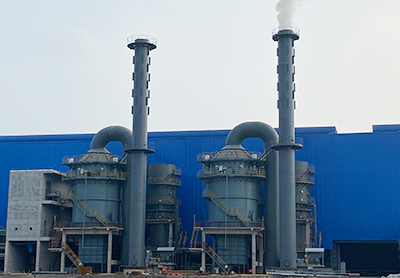
Wet electric and wet dust removal project of Steel slag of Hebei Handan Zhongban Steel Mill
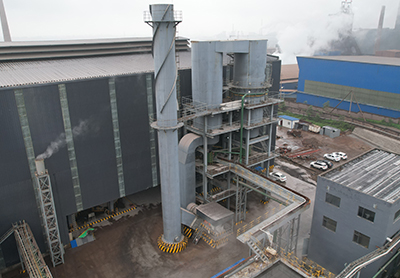
Shanxi Hongda steel slag wet electric Dust removal project
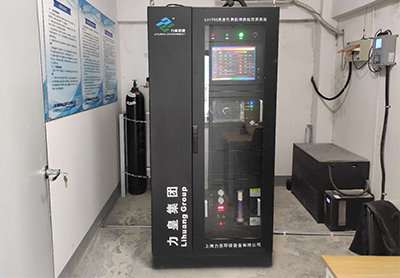
Shanghai Bulannuo Industrial packaging materials online monitoring project
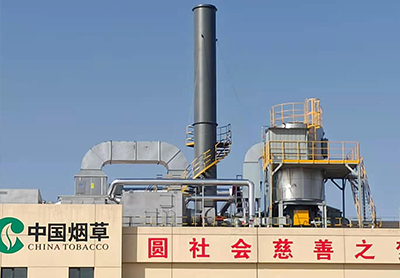
China Tobacco Ningxia Hongde VOCs exhaust gas treatment project
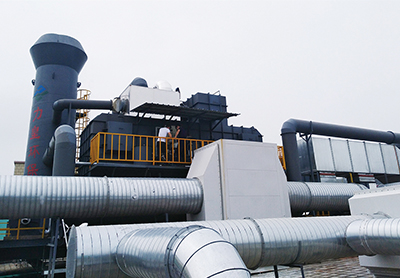
Shanghai Hengjie Wood Industry VOCs waste gas treatment project
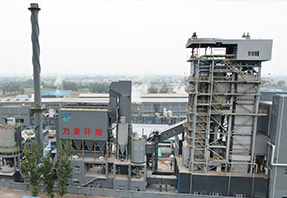
Pingyao Paper Mill desulfurization, denitration and dust removal EPC project
How to prevent safety hazards in organic waste gas treatment facilities?
Safety precautions for RTO fire and explosion accidents
1. Fully identify risks. When collecting different waste gases in a centralized manner, risk analysis should be conducted to understand the mutual influence between various waste gases and clarify their hazardous characteristics. Verify and test the components, hazards, explosion limits, flash points, ignition points, etc. of exhaust gas, comprehensively grasp the safety risks of exhaust gas, and avoid reactions. For complex exhaust gas components, safety analysis should be conducted, such as HAZOP analysis, and corresponding safety measures should be taken.
2. Optimize the collection system. Standardize the design of the suction hood and fan selection, and plan the exhaust gas collection pipeline in a coordinated manner to form a collection and treatment system from branch pipe to main pipe, treatment device to main exhaust outlet, ensuring the effectiveness of exhaust gas collection. Reasonable selection of relevant equipment and materials can be achieved by setting up buffer tanks, adjusting air volume and other pre-treatment facilities, strictly controlling the concentration and flow rate of organic matter at the inlet of the RTO furnace, and ensuring relatively stable and safe operation.
3. Gradually evolving scientific debugging. During the commissioning of RTO furnace, no-load commissioning should be carried out first. After the no-load commissioning is stable, low concentration organic waste gas should be gradually introduced, such as waste gas collected by covering the enterprise sewage tank, workshop ventilation waste gas, etc. Finally, high concentration waste gas should be gradually introduced, and the emission flow rate and concentration of the proposed high concentration waste gas should be tested.
4. Install an online monitoring system and set up an electrical control system operation room. The RTO furnace purification treatment system is a highly integrated device between humans and machines. Although it has a high degree of automation, it must be maintained and managed by dedicated personnel. For example, before an explosion occurs in the RTO furnace, the concentration of organic matter often increases rapidly in a short period of time. At this time, if there are personnel on duty, the system can issue a warning and take necessary measures to avoid accidents; At the same time, TVOC concentration online monitoring systems will be installed for the tail gas of various RTO systems to provide necessary data support for enterprise management.
Precautions for the design of spray towers
1. The structural design of the purification device and the selection of purification medium should be reasonable, and the purification medium should not generate other toxic and harmful substances after coming into contact with the exhaust gas.
2. If it is necessary to add chemicals to the spray tower, choose whether to adopt automatic dosing method based on the properties of the added substances. If the added substance has a certain degree of toxicity, automatic dosing must be used and the entire dosing process must be controlled in a closed manner without any leakage.
3. The basic configuration of the exhaust gas purification tower includes windows and maintenance manholes, inlet flange, outlet flange, washing liquid inlet, overflow port, drainage port, packing, circulating water pump, circulating water filter screen, circulating water pipeline, and sprinkler nozzle; The windows, maintenance manholes, and overflow ports need to be preserved for easy inspection and maintenance.
4. The exhaust gas purification tower should be able to achieve automatic pH detection, regularly replace the spray solution, and ensure the effectiveness of exhaust gas treatment. The entire system has no running, emitting, dripping, or leaking phenomena.
5. All metal structure surfaces of the purification device shall be treated with anti-corrosion.
Common safety issues in organic waste gas treatment facilities
1. UV photolysis, low-temperature plasma and other facilities have not undergone moisture-proof treatment and are directly connected to water spray, posing electrical safety hazards.
2. Some facilities use axial flow fans and belt drives placed inside pipelines, which come into direct contact with organic waste gas. The heat generated by friction during high-speed transmission can easily become an ignition source, triggering fires.
3. The facility has not installed flame arresters or fire dampers in the pipelines between the equipment body and the factory building, coupled with a lack of cleaning and maintenance, resulting in the accumulation of a large amount of organic solvent paint residue in the pipelines. Once a fire occurs, it is easy to cause a major fire.
4. Insufficient emergency facilities, lack of outdoor fire hydrants, no fire hoses and water guns, making it difficult to respond to emergency situations in a timely manner.
How to prevent safety hazards in organic waste gas treatment facilities?
1. Improve the collection efficiency of paint exhaust gas and reduce safety risks in the paint booth. The paint spraying room must be separated separately and operated in a sealed manner. Explosion proof electrical equipment must be used inside the room.
2. Strengthen the pre-treatment of organic waste gas and do a good job in gas slag separation. An efficient water curtain machine should be used to ensure that the vast majority of dust and paint residue in the spray painting exhaust gas are efficiently treated in the water curtain machine, and a dedicated paint residue cleaning plate and cleaning tank must be installed after the high-efficiency water curtain machine.
3. Improve the organic waste gas treatment process. It is recommended to eliminate processing equipment with safety hazards such as low-temperature plasma and UV photolysis facilities that do not meet safety standards. Based on our own production practice, it is recommended to increase the capacity of the adsorption tank by using activated carbon adsorption; For saturated activated carbon, offline catalytic combustion devices should be installed for desorption regeneration or other treatment methods while ensuring safety.
4. Equipment operation and maintenance must be done well. A dedicated person should be arranged to be responsible for cleaning the paint residue of the water curtain machine, spray tower, and UV photolysis box, and to strengthen the frequency of cleaning the exhaust gas transmission pipeline and replacing the spray wastewater. It is necessary to do a good job in operation and maintenance, establish a management ledger for the operation of organic waste gas treatment facilities, and establish a third-party regular maintenance mechanism. Maintain and repair the purification device, replace activated carbon, operate the facilities, and keep relevant records. The retention period of the records shall not be less than three years.
5. Consciously increase the investigation of fire safety hazards. Install fire hydrants and other firefighting equipment near the VOCs equipment on the rooftop to facilitate rescue operations; It is recommended to install fire dampers at the indoor location where the pipeline is connected to prevent flames from spreading indoors; Regularly conduct fire emergency drills.

 The Public
 Tik Tok





 Company Profile






![New stainless steel activated carbon adsorption box selected [Li Huang] spot supply](/static/upload/image/20230202/1675331534626389.jpg)