TOP
TOP
Related Products
Related Cases
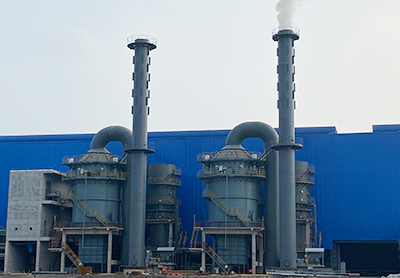
Wet electric and wet dust removal project of Steel slag of Hebei Handan Zhongban Steel Mill
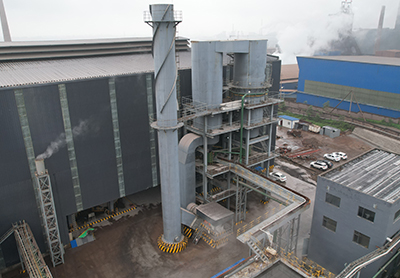
Shanxi Hongda steel slag wet electric Dust removal project
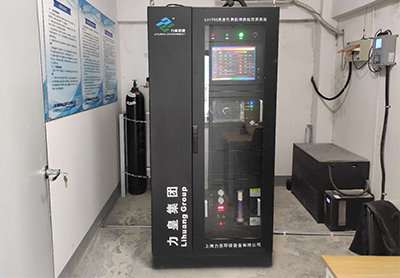
Shanghai Bulannuo Industrial packaging materials online monitoring project
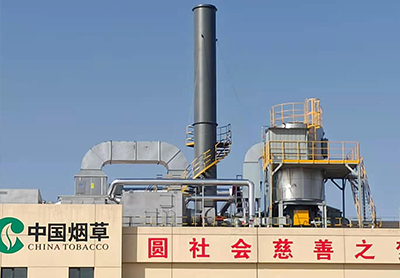
China Tobacco Ningxia Hongde VOCs exhaust gas treatment project
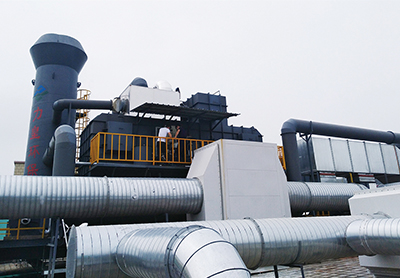
Shanghai Hengjie Wood Industry VOCs waste gas treatment project
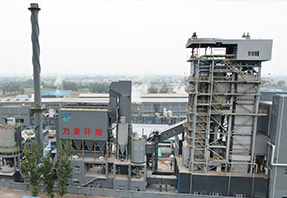
Pingyao Paper Mill desulfurization, denitration and dust removal EPC project
Detailed explanation of four commonly used exhaust gas treatment methods
VOCs are a general term for volatile organic compounds with low boiling point characteristics, and their definitions vary slightly among different international organizations. The excessive emission of VOCs can seriously affect the atmospheric environment and directly threaten human health. Therefore, it is urgent to effectively control and manage the emission of VOCs.
The currently widely used and effective processing techniques mainly include the following four methods:
Incineration method: By oxidizing or thermally cracking VOCs at high temperatures, they are converted into harmless substances.
Adsorption method: Using adsorbents (such as activated carbon, zeolite, activated alumina, etc.) to adsorb VOCs and separate them from exhaust gas.
Washing method: The exhaust gas comes into contact with the absorption liquid, and VOCs are removed from the exhaust gas using the principle of similar solubility between the absorption liquid and organic exhaust gas.
Membrane separation method: By utilizing the different permeation rates of VOCs components, the separation of various components in a mixed gas is achieved.
1、 Incineration method
Incineration method is a method of direct combustion of high concentration VOCs, in which a certain amount of excess air and VOCs undergo sufficient oxidation and combustion reaction in the incinerator. Harmful and toxic VOCs are destroyed by oxidation and pyrolysis at high temperatures ranging from 800 ℃ to 1200 ℃, while achieving harmless, reduced, and resourceful waste treatment technology.
The advantages of incineration method include high treatment efficiency, good treatment effect, wide applicability, and no secondary pollution, which are widely used in various industries; The disadvantages are high energy consumption, high equipment investment and maintenance costs, and poor treatment effect for non combustible substances in exhaust gas.
2、 Adsorption method
The core of adsorption technology lies in the selective capture of different components in the mixture by porous materials. There are three main mechanisms for adsorption separation, namely kinetic effect, steric hindrance effect, and equilibrium effect; The dynamic effect achieves selective adsorption of different molecules by regulating the diffusion rate of molecules; The steric hindrance effect utilizes spatial structure matching to selectively shield adsorbents from specific molecules, such as molecular sieves for VOCs screening; The equilibrium effect refers to the gradual attainment of a dynamic equilibrium state of adsorption and desorption during the interaction between the mixture and the adsorbent.
The advantages of using adsorption method to treat VOCs are significant, including high safety, economic efficiency, mature process, outstanding adsorption efficiency, strong applicability, and easy automation. Adsorption method is regarded by many scholars as the preferred solution for VOCs treatment and is widely used in various industrial scenarios.
3、 Washing method
The washing method, as a waste gas treatment technology, is widely used in the industrial field due to its unique advantages. The core principle is to use liquid absorbents to selectively absorb specific components in exhaust gas, thereby achieving the goal of exhaust gas purification. Especially suitable for processing large volume and low concentration exhaust gases, thanks to its mature process, lower operational difficulty, wide applicability, and relatively low cost.
In specific implementation, the selection of absorbents is crucial and needs to be determined based on the properties of pollutants in the exhaust gas. Common absorbents include water, acid, alkaline solutions, or organic solvents. After the pollutants in the exhaust gas come into contact with the absorbent, they are absorbed through physical or chemical reactions, and then the absorbent can be regenerated through processes such as distillation and rectification to recover useful substances and achieve resource recycling.
The washing method not only performs outstandingly in treating large volume and low concentration exhaust gases, but also effectively controls various harmful gases, such as acidic gases (such as SO2, HCl), alkaline gases (such as NH3), and some organic gases. In addition, most of the absorbent after washing can be regenerated, reducing operating costs and minimizing the risk of secondary pollution, reflecting the dual advantages of environmental protection and economic benefits.
4、 Membrane separation method
Membrane separation is a technique that utilizes the selective permeability of specific membrane materials to separate VOCs. This method has the advantages of simple process, high recovery rate, low energy consumption, and no secondary pollution, and is suitable for the separation and recovery of medium to high concentration VOCs. The working principle of membrane separation method is based on the fact that the permeability of membrane materials to VOCs vapor is 10-100 times stronger than that of air.
In practical applications, the mixture of VOCs and air is first compressed and then cooled in a condenser. The cooled mixed airflow enters the membrane separation system, where VOCs gases preferentially pass through under the action of the membrane, while the unfiltered gases remain on one side of the membrane. The enriched VOCs gas can be directed to the condensation recovery system for the recovery of organic solvents.
The four classic VOCs waste gas treatment methods each have their own advantages and disadvantages. In practical applications, it is necessary to comprehensively consider the advantages and disadvantages of each method based on different waste gas characteristics and treatment requirements, combined with economic costs and environmental standards, and ultimately choose the appropriate waste gas treatment technology.

 The Public
 Tik Tok





 Company Profile






![New stainless steel activated carbon adsorption box selected [Li Huang] spot supply](/static/upload/image/20230202/1675331534626389.jpg)