TOP
TOP
How to prevent high concentration, overheating, and corrosive organic waste gases from causing damage to RTO equipment?
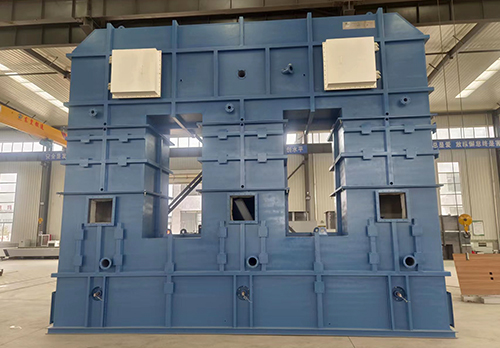
With the acceleration of global industrialization and continuous urbanization, the emission and concentration of VOCs have become increasingly important, especially in the pharmaceutical and chemical hazardous waste disposal industry. With the continuous changes in production demand, the concentration and air volume of VOCs waste gas often become unstable and fluctuate greatly, which poses a serious challenge to the stability and safety of treatment equipment, especially RTO incineration systems. In order to address these challenges and ensure system stability, RTO material selection and safe temperature control interlocking are particularly important when facing high concentration, over temperature, and corrosive VOCs working conditions.
1、 The hazards of RTO system overheating and corrosion on site
In a certain chemical enterprise, the concentration of exhaust gas fluctuates beyond the design value, and the exhaust gas contains chlorides and fluorides. During the operation of the equipment, overheating and corrosion occur, causing the collapse of the grid support and the scrapping of all thermal storage ceramics, resulting in serious economic losses.
When the exhaust conditions exceed the design level, not only can the treatment efficiency not be guaranteed, affecting the emission data, but it can also cause the internal temperature to exceed the design value, damaging the equipment structure and potentially leading to safety production accidents.
2、 Prevention in RTO structural design
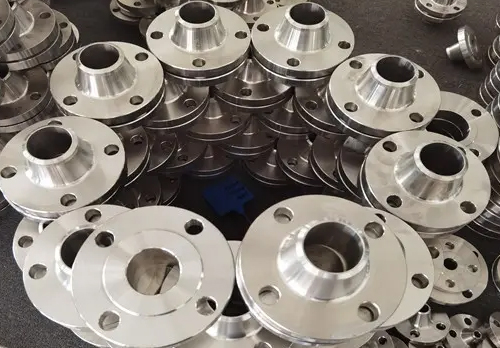
1. The design scope should consider the composition of exhaust gas in the initial design. In the face of corrosive exhaust gas, anti-corrosion measures should be taken in the parts in contact with the exhaust gas. Fiber blanket lining and glass flake lining can be used, and corrosion-resistant materials such as 304, 316, 310, 2205, 2507 can be selected.
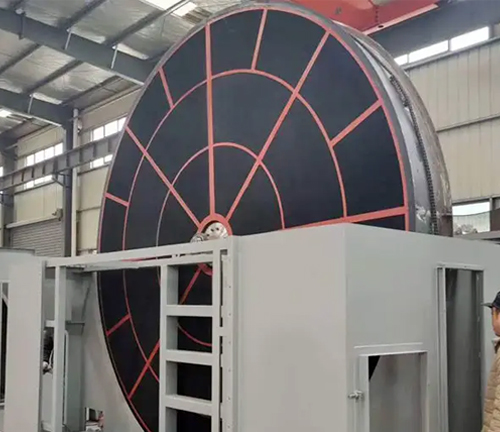
2. In the design and selection of ceramic grid support, not only should the weight of the ceramic and saddle ring itself and the load-bearing capacity at room temperature be considered, but also the influence of wind load and high temperature during air inlet and outlet on the strength of the grid support beam.
3、 Safety control interlock design during RTO operation
1. High temperature thermal bypass: As one of the main supporting equipment of RTO, the high-temperature thermal bypass regulating valve plays a key role in the system. During operation, it is necessary to interlock the furnace temperature with the thermal bypass to accurately and reliably control the temperature and pressure inside the furnace within the normal operating range during equipment operation.
2. Fresh air valve: The fresh air valve is installed at the inlet of the RTO and is one of the main accessories of the RTO. By interlocking the furnace or ceramic layer temperature, adjusting the opening, controlling the intake concentration, air volume, and temperature, it effectively controls the temperature inside the RTO furnace.
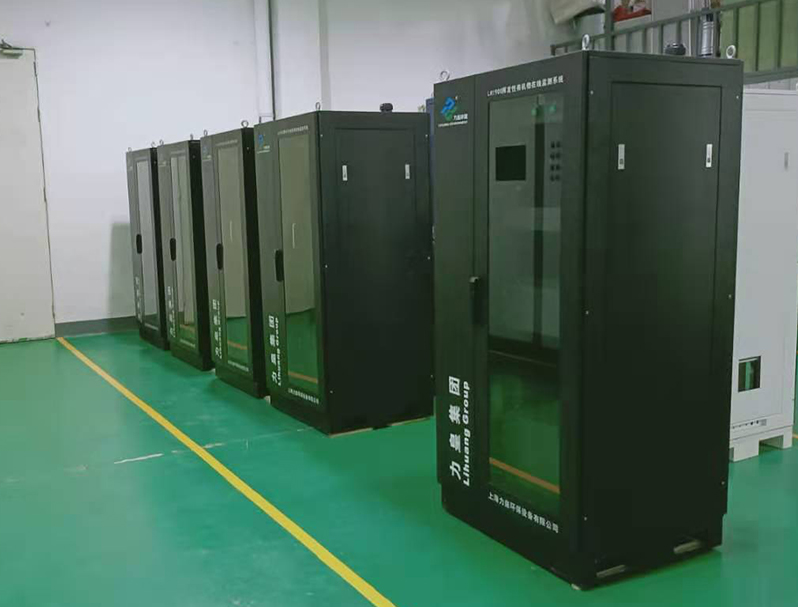
3. Inlet exhaust gas concentration detector: Real time monitoring of incoming gas concentration. When the concentration fluctuates too much or exceeds 25% of the explosive lower limit of exhaust gas concentration, the intake valve should be cut off in a timely manner, and the bypass valve should be opened to prevent ultra-high concentration exhaust gas from entering the RTO and causing an explosion.
4. When dealing with high concentration and low ignition point exhaust gas, the fresh air valve and thermal bypass valve should not only be interlocked with the furnace temperature, but also with the upper layer temperature of the ceramic to prevent low ignition point substances from excessively releasing heat in the upper layer of the ceramic and causing damage to the RTO equipment.
4、 To achieve the goal
1. Ensure that the RTO system operates in optimal working condition to avoid equipment damage caused by abnormal shutdowns.
2. Reduce energy consumption, optimize heat recovery, and support the green and sustainable development strategy of enterprises.
3. Enhance the overall security performance of the system and reduce potential security risks.



 公众号
公众号
 抖音
抖音





 Company Profile