TOP
TOP
Related Products
Related Cases
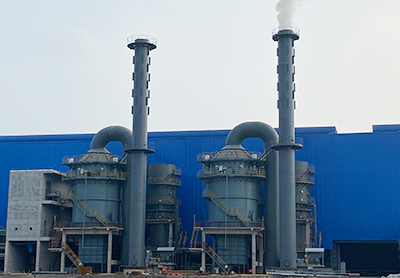
Wet electric and wet dust removal project of Steel slag of Hebei Handan Zhongban Steel Mill
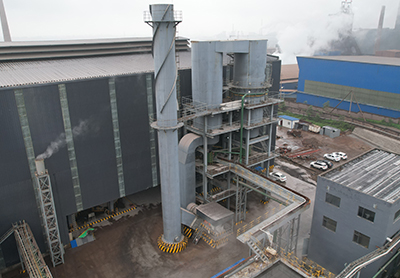
Shanxi Hongda steel slag wet electric Dust removal project
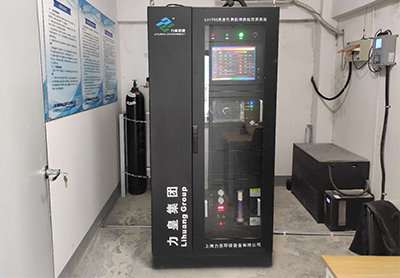
Shanghai Bulannuo Industrial packaging materials online monitoring project
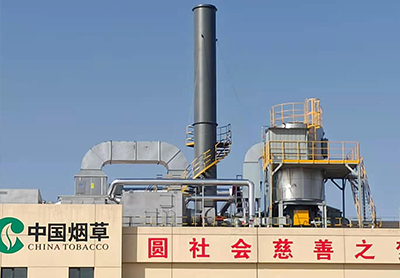
China Tobacco Ningxia Hongde VOCs exhaust gas treatment project
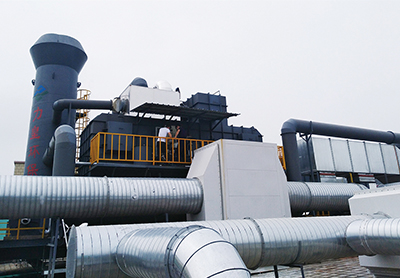
Shanghai Hengjie Wood Industry VOCs waste gas treatment project
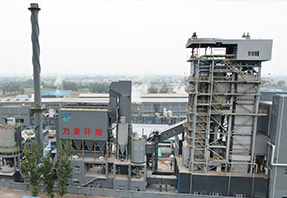
Pingyao Paper Mill desulfurization, denitration and dust removal EPC project
Science popularization: Brief differences between RTO, RCO, CO, TO
What are the differences between RTO, RCO, CO, and TO as commonly used equipment for treating VOCs?
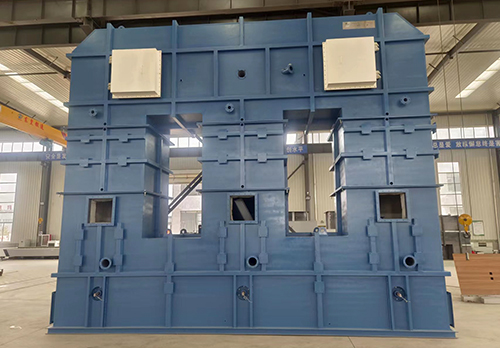
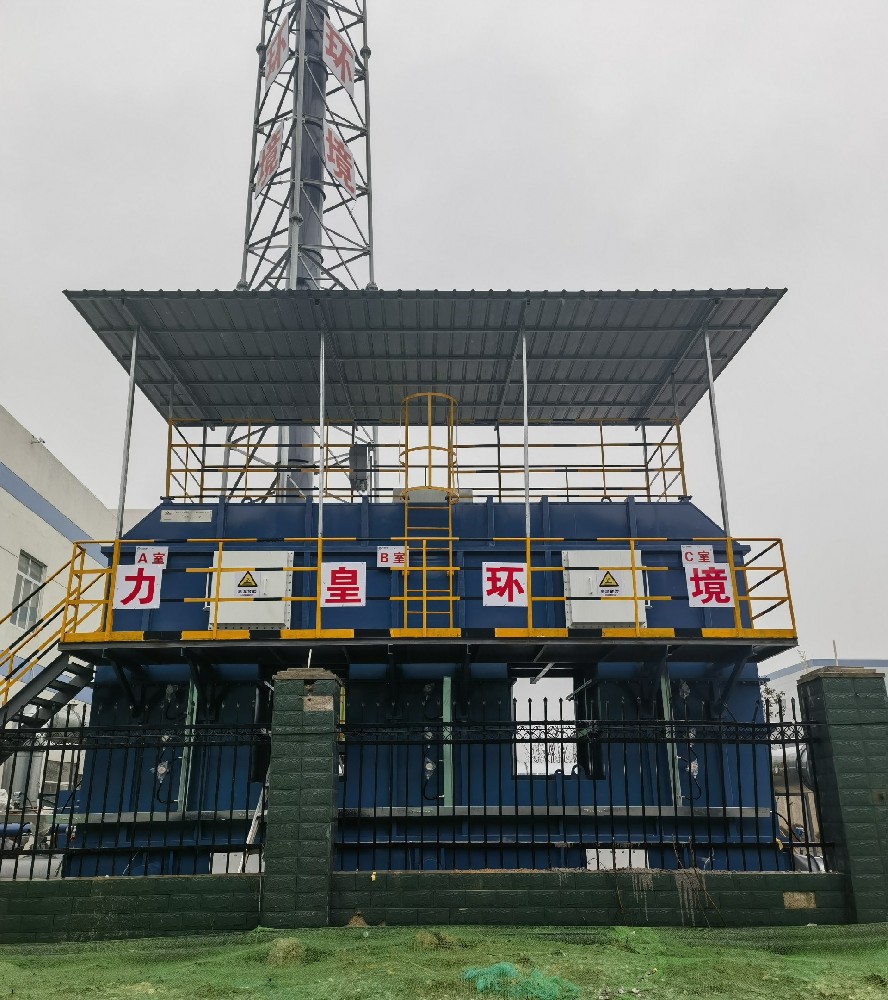
RTO is a high-temperature thermal storage incineration method that uses natural gas or diesel as fuel to raise the temperature to 760 degrees Celsius, combined with a thermal storage ceramic body to maintain a constant temperature. The waste gas is directly decomposed by high temperature without catalyst, suitable for 24-hour continuous operation, and can treat low, medium, and high concentration waste gas.
RCO is a low-temperature regenerative catalytic combustion that uses natural gas or diesel as fuel or electricity to raise the temperature to 280-400 degrees Celsius, combined with ceramic thermal storage to maintain a constant temperature. Low temperature and catalyst are used to decompose and oxidize the exhaust gas. To reduce the combustion temperature of the exhaust gas, a catalyst combination is required to completely decompose the exhaust gas. Can adapt to intermittent emission operations and handle low, medium, and high concentration exhaust gases. Generally speaking, the processing efficiency is comparable to that of RTO devices.
CO is a low-temperature catalytic combustion method that uses electric heating or gas heating to raise the temperature to 280-400 degrees Celsius. The catalyst is directly combined with the exhaust gas for decomposition and oxidation, without the need for heat storage. It is suitable for intermittent operation and can treat low to moderate exhaust gas. It can be first concentrated and adsorbed using a zeolite wheel/activated carbon, and the desorbed gas can be burned.
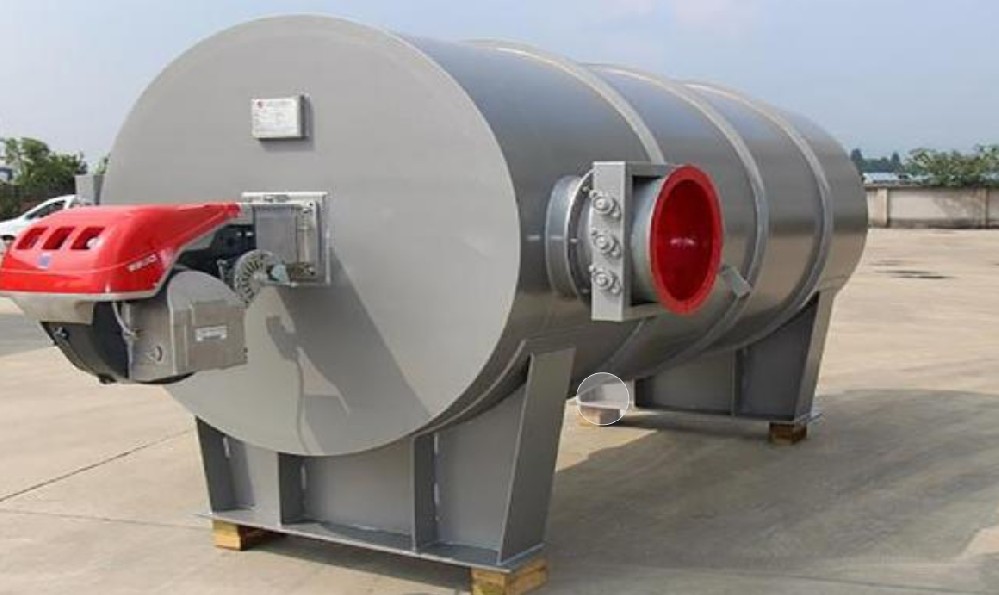
TO is a direct incineration method that uses natural gas or diesel to burn exhaust gas at temperatures above 780 degrees Celsius without the need for thermal storage ceramics or catalysts. It is suitable for situations where high concentration exhaust gas, corrosive exhaust gas, and gas-liquid mixture are burned. Due to the presence of specific substances, secondary pollutants such as dioxins may be generated.

 The Public
 Tik Tok





 Company Profile






![New stainless steel activated carbon adsorption box selected [Li Huang] spot supply](/static/upload/image/20230202/1675331534626389.jpg)