TOP
TOP
Ship spraying exhaust gas treatment technology
The treatment technology for ship spraying exhaust gas is a key means to address volatile organic compounds (VOCs) and particulate matter pollution, which requires comprehensive measures based on the characteristics of exhaust gas, process conditions, and environmental protection requirements. The following provides a detailed description of exhaust gas composition, technology types, application cases, efficiency comparisons, and development trends:
1、 Composition and emission characteristics of ship spraying exhaust gas
The main pollutants in ship spraying exhaust gas are VOCs, among which aromatic hydrocarbons (such as benzene, toluene, ortho/meta/para xylene, ethylbenzene) account for 91.61%, and also contain ethyl acetate, methyl ethyl ketone, isopropanol, dust, etc. Typical emission limit requirements: benzene ≤ 0.5 mg/m ³, toluene ≤ 15 mg/m ³, non methane total hydrocarbons ≤ 50 mg/m ³. Emission characteristics: low solubility and high air volume: VOCs in exhaust gas have low solubility, and the processing air volume usually reaches tens of thousands to hundreds of thousands of m ³/h. Non continuous emissions: Affected by the spraying process, exhaust emissions exhibit intermittency and concentration fluctuations. High proportion of unorganized emissions: Outdoor spraying, paint mixing and other processes lead to a high proportion of unorganized emissions, and it is necessary to strengthen closed collection.
2、 Mainstream governance technologies and principles
(1) Adsorption concentration+combustion technology
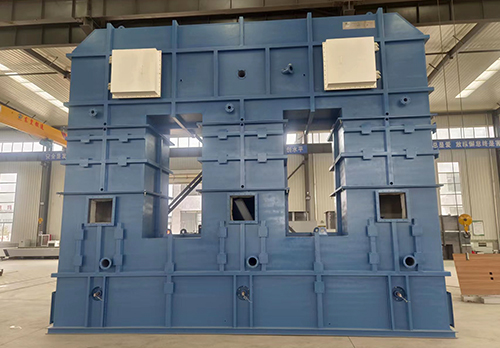
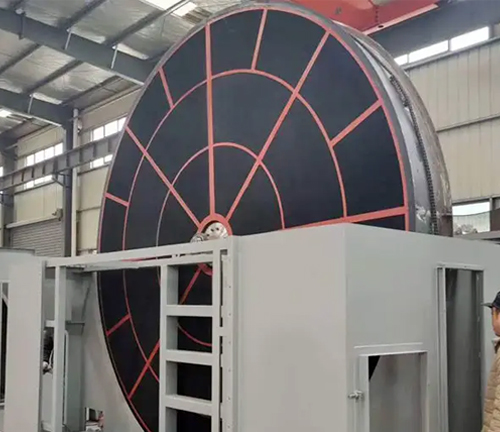
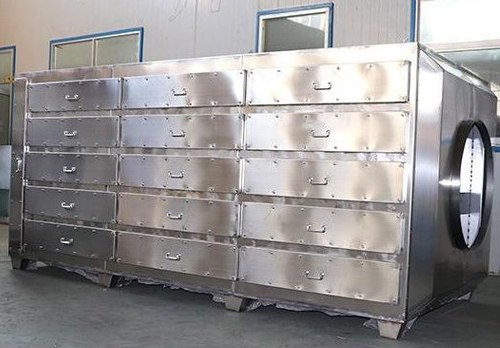
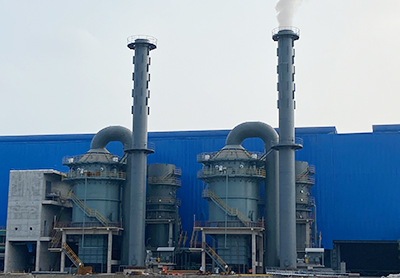
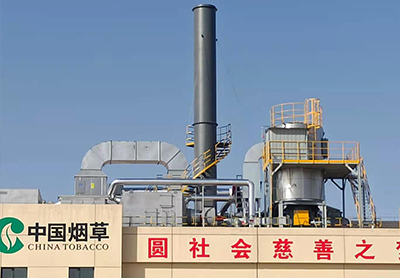
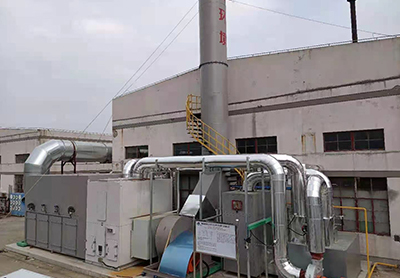
The principle of zeolite wheel+RTO/RCO: The zeolite wheel adsorbs high air volume and low concentration exhaust gas, and after desorption, the concentrated gas enters the regenerative oxidation furnace (RTO) or catalytic combustion furnace (RCO) for high-temperature decomposition into CO ₂ and H ₂ O. Advantages: Processing efficiency>98%, suitable for scenarios with air volume>10000 m ³/h, low energy consumption (self-sustaining combustion heat). Case: China Merchants Jinling Ship Project adopts 8 sets of zeolite wheels and 2 sets of RTO, with a processing air volume of 400000 m ³/h and a non methane total hydrocarbon emission concentration of less than 5 mg/m ³. Principle of activated carbon adsorption+catalytic combustion: After activated carbon adsorbs VOCs, hot nitrogen or air desorbs, and the concentrated exhaust gas is decomposed by catalytic combustion. Applicability: Suitable for small and medium-sized, low concentration waste gas, with a treatment efficiency of 80% -95%, but the activated carbon needs to be replaced regularly, resulting in high operating costs.
(2) Low temperature wet process and plasma technology
Spray washing+activated carbon adsorption process: Spray tower removes acidic pollutants and particulate matter, and activated carbon further adsorbs VOCs, commonly used for temporary outdoor spraying. Efficiency: The overall removal rate is greater than 92%, and the mobile device can flexibly adapt to large-scale ship scenarios. Principle of low-temperature plasma method: Utilizing high-energy electrons to crack VOCs molecules, suitable for treating waste gases containing complex components without the need for high temperature. Limitations: Limited effectiveness in treating high concentration exhaust gases, requiring the combination of other technologies.
(3) Preprocessing and Green Technology
Function of dry filtration system: Multi stage filtration (such as filter cotton, fiber filter material) removes paint mist and particulate matter, with an efficiency of over 98%. Intelligence: Configure a differential pressure monitoring system to provide real-time prompts for filter material replacement. Source emission reduction technology high solid/water-based coating replacement: reduces VOCs content, such as water-based paint can reduce emissions by 30% -50%. Efficient spraying process: High pressure airless spraying and electrostatic spraying increase the utilization rate of coatings to over 70% and reduce solvent evaporation.
3、 Comparison of Technical Efficiency and Applicable Scenarios

4、 Development Trends and Policy Directions
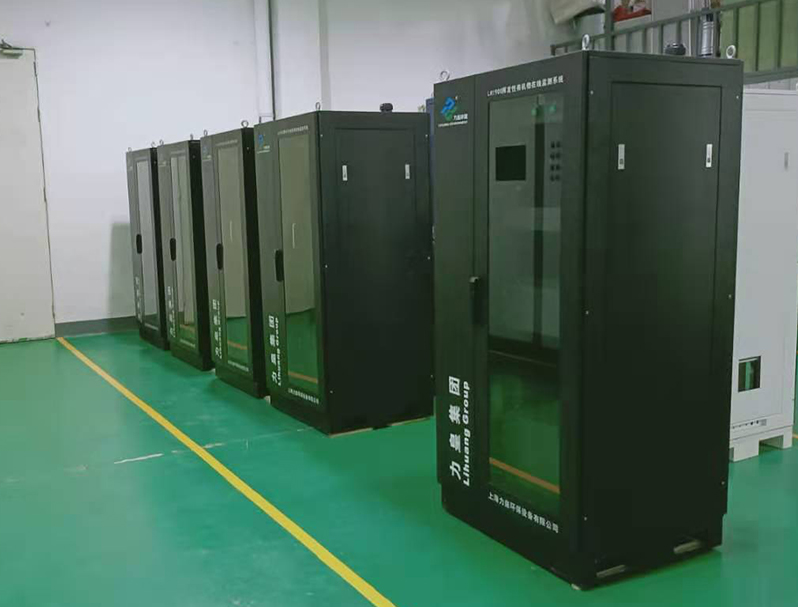
Source reduction coating upgrade: Mandatory promotion of low VOC coatings that comply with GB/T 38597-2020 standards, with a target of high solid content coating usage rate>60% by 2025. Process optimization: Robot spraying, film thickness management system (to reduce paint overspray) to reduce VOC emissions. Upgrading governance technology to eliminate inefficient facilities: Inefficient technologies such as photocatalysis and low-temperature plasma are gradually being phased out, and are shifting towards efficient combination processes such as adsorption concentration and combustion. Intelligent control: Automatically switch operating modes based on exhaust gas concentration to achieve energy conservation and consumption reduction (such as RTO heat reuse heating). Full process control and sealing transformation: Ship repair enterprises need to close their shipyards, and ships with a length of less than 50 meters must be sealed and sprayed with paint. Monitoring and ledger management: Enterprises need to establish a VOCs emission dynamic monitoring system with data retention for at least 5 years.
5、 Challenges and Suggestions
Technical challenge: unorganized emission control: The large size of the ship makes it difficult to seal, requiring the development of mobile and efficient collection devices. Complex component treatment: The mixed waste gas of benzene derivatives and esters requires multiple technologies, such as adsorption+combustion+biofilter. Suggested direction for regional collaborative governance: Promote "shared spraying centers" in coastal cities to centrally handle dispersed emissions. Policy incentives: Provide tax reductions and exemptions to enterprises that adopt water-based coatings or RTO technology.
In summary, the treatment of ship spraying exhaust gas needs to take "source substitution - efficient collection - deep purification" as the main line, select technology combinations based on process characteristics, and rely on policy guidance to promote industry green transformation.

 公众号
公众号
 抖音
抖音





 Company Profile