TOP
TOP
Related Products
Related Cases
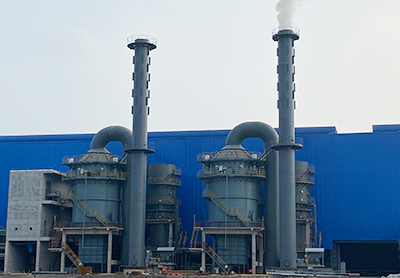
Wet electric and wet dust removal project of Steel slag of Hebei Handan Zhongban Steel Mill
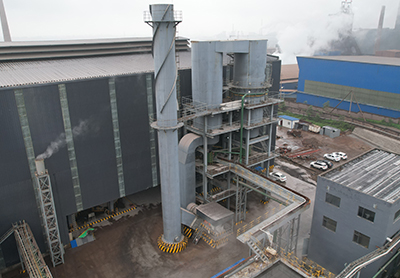
Shanxi Hongda steel slag wet electric Dust removal project
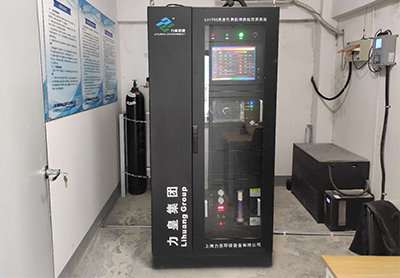
Shanghai Bulannuo Industrial packaging materials online monitoring project
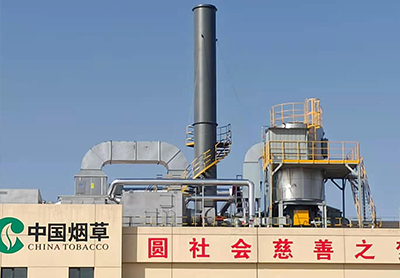
China Tobacco Ningxia Hongde VOCs exhaust gas treatment project
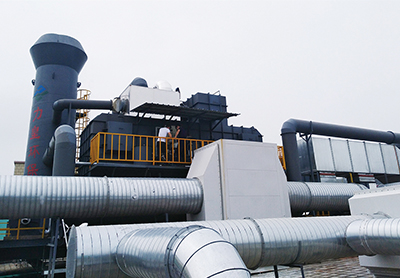
Shanghai Hengjie Wood Industry VOCs waste gas treatment project
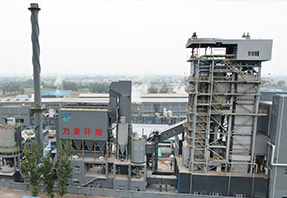
Pingyao Paper Mill desulfurization, denitration and dust removal EPC project
The Technology of Molecular Sieve in VOCs Waste Gas Treatment
Volatile organic compounds (VOCs) are widely present in industrial exhaust gases, including industries such as petrochemicals, spray painting, printing, and pharmaceuticals. VOCs not only pose a threat to the environment, but may also have negative impacts on human health. Therefore, effective control and treatment of VOC emissions are crucial. Among numerous control technologies, molecular sieves are widely used in the field of VOC treatment due to their high efficiency and stability.

Molecular sieve is a type of adsorbent or thin film material with uniform micropores, mainly composed of silicon, aluminum, oxygen, and other metal cations (such as RTO, RCO, CO, condenser, spray tower, activated carbon/resin/zeolite adsorption and desorption equipment manufacturer: Fan 13141458653 WeChat). The diameter of its pores is at the molecular scale, allowing molecular sieve to selectively adsorb according to the size of molecules. Zeolite molecular sieve refers to natural and artificially synthesized crystalline aluminosilicates that have the function of molecular sieve. Zeolite molecular sieve crystals have many excellent properties such as adsorption and exchangeability, and are also widely used in VOC treatment.
Application of Zeolite Molecular Sieves in VOCs Treatment
Zeolite molecular sieves are mainly applied in the treatment of VOCs in the form of disc wheel, drum wheel, and fixed bed molecular sieves.
1. Disc wheel
The structure of the disc zeolite impeller is divided into three parts: adsorption zone, regeneration zone, and cooling zone, generally in a 10:1:1 partition ratio.
(1) Adsorption zone:
On the windward side of the exhaust gas, the general wind speed is controlled at 2-4Nm/s, and the purification efficiency is generally 90-97%. The purified gas enters the chimney.
(2) Cooling zone:
Generally, process gas is used for cooling, which not only reduces the temperature of the zeolite in the cooling zone, making it adsorptive, but also smoothly achieves heat recovery.
(3) Desorption zone:
Heat up the gas that has undergone heat recovery to around 200 ℃ and enter the desorption zone for cooling. The air volume for desorption regeneration is generally 10-20 times that of the intake air. When conducting high-temperature regeneration, the maximum temperature can reach around 300 ℃, and high-temperature regeneration type wheels need to be selected during design.
2. Barrel wheel
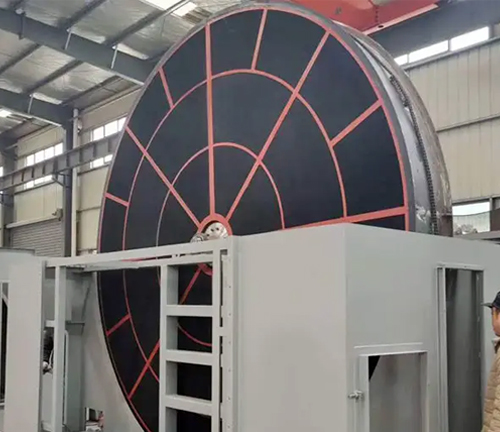
In addition to differences in material processing, there are significant structural differences between cylindrical zeolite wheels and disc-shaped ones. Modular zeolite materials are used to fill them into cylindrical structures to achieve adsorption and concentration of VOCs. There is no disc-shaped cooling zone on the structural partition, and when the concentration ratio is the same, its desorption energy consumption is higher than that of the disc-shaped impeller. The concentration ratio of the drum type impeller can reach up to 50 times, and the higher the concentration ratio, the smaller the size of the combustion device or other equipment it is equipped with. Its modular zeolite is also a major feature of the equipment, which is easy to install and maintain.
3. Fixed bed zeolite molecular sieve
Regardless of whether the drum type or disc type wheels are used, their application scenarios require continuous working conditions. Therefore, based on the development of fixed bed activated carbon, a honeycomb zeolite molecular sieve adsorption bed with a fixed bed was formed by changing the adsorption material.
Due to the characteristics of zeolite molecular sieves, their dynamic adsorption capacity is much smaller than that of activated carbon, and their desorption temperature is high (around 250 ℃). The use of a fixed bed system increases the complexity of the system in terms of valve airtightness, fixed bed insulation, and control of desorption temperature rise. The application of fixed bed zeolite systems still requires accumulating experience and optimizing difficult solutions.

 The Public
 Tik Tok





 Company Profile






![New stainless steel activated carbon adsorption box selected [Li Huang] spot supply](/static/upload/image/20230202/1675331534626389.jpg)